
Private estate compounds represent a distinctive and increasingly desirable segment of the luxury residential landscape. Rather than investing in a single standalone residence, many high-profile homeowners and discerning families choose to assemble expansive multi-dwelling properties. These country enclaves combine a primary manor with secondary residences, equestrian facilities, wellness outposts, and private natural acreage. Creating a cohesive estate compound requires a clear long-term master plan that balances architectural harmony, environmental stewardship, and sophisticated capital planning.
Developing an estate with several independent structures provides remarkable flexibility for contemporary living. It allows families to host extended relatives in complete privacy, maintain dedicated living quarters for estate staff, and establish customized recreational amenities without encroaching on the main house. However, coordinating the acquisition, specialized financing, and ongoing logistical support for a multi-structure acreage property demands careful preparation and practical foresight from the very beginning.
Evaluating Acreage and Architectural Layouts for Multi-Dwelling Living
The foundation of a successful compound begins with selecting a parcel of land that can comfortably support distinct functional zones. When evaluating potential acreage, natural topography and natural tree cover serve as organic dividers. Elevated parcels often suit the primary dwelling, offering expansive views across the surrounding landscape, while sheltered valleys or wooded groves create peaceful settings for guest cottages, artist studios, or caretaker residences. Establishing generous buffers between buildings preserves personal privacy while maintaining convenient connectivity across the property.
Zoning regulations and regional land covenants dictate the density and placement of residential footprints on a rural parcel. Prospective buyers must examine municipal guidelines regarding accessory dwellings, private roadway easements, and environmental conservation boundaries. Working closely with land-use planners and civil engineers clarifies whether secondary buildings can be served by independent utility connections or whether they must tie back into a centralized utility hub.
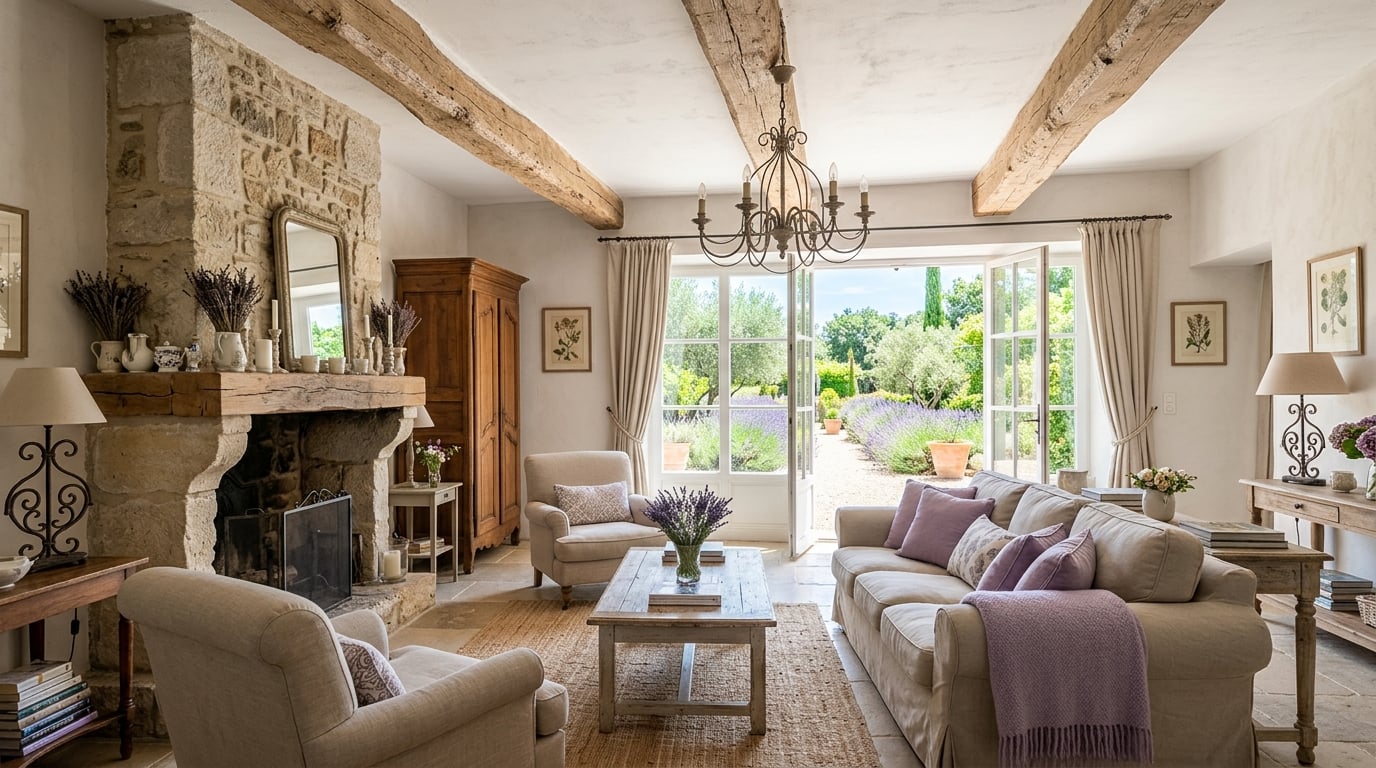
Architectural cohesion across every structure binds an estate compound into a singular, elegant visual statement. While secondary buildings can showcase distinct interior aesthetics, maintaining a shared exterior palette of native stone, regional timber, and consistent roof profiles prevents the grounds from feeling fragmented. Thoughtful landscape architecture bridges the distances between buildings, using winding gravel drives, native hedgerows, and stone pathways to integrate every structure into the natural environment.
Navigating High-Value Financing and Lending Strategies
Financing an expansive property with multiple residential and functional buildings involves different parameters than purchasing a standard luxury residence. Conventional mortgage programs frequently carry limitations regarding the quantity of habitable dwellings on a single deed or the overall ratio of land value to structural improvement. Consequently, compound buyers typically secure specialized loan solutions, such as private portfolio mortgages, custom construction facilities, or tailored lines of credit designed for sprawling acreage estates.
Underwriters carefully evaluate the unique composition of multi-dwelling acreage, reviewing site improvements, private roadways, and the resale viability of secondary buildings. When structuring these large-scale property loans, navigating the range of non-conforming and portfolio lending avenues requires access to experienced mortgage specialists. Prospective buyers can compare tailored loan pathways and examine funding options through resources like mortgage-2you.com to identify financing arrangements that match complex residential real estate holdings.
Structuring capital for an extensive estate project often benefits from phased funding schedules. Securing the land acquisition and primary infrastructure funding at the initial stage allows owners to establish favorable borrowing terms before drawing capital for recreational pavilions, stables, or auxiliary cottages. This staged capital deployment preserves personal liquidity and offers greater flexibility if design priorities shift during the multi-year development timeline.
Aligning Estate Acquisitions with Global Economic Conditions
Substantial real estate endeavors are deeply influenced by broader macroeconomic developments, monetary liquidity, and global debt market trends. Because multi-structure country estates represent significant commitments of capital, timing property acquisitions and establishing borrowing facilities requires an awareness of interest rate trends, currency movements, and institutional wealth flows. Astute estate purchasers monitor global economic sentiment to anticipate how shifts in capital availability might affect high-value asset valuations.
Monitoring market shifts helps buyers identify advantageous moments to execute major land purchases or refinance long-term credit facilities. Keeping up with rapid economic developments and international market reporting through quickstartmoneysite.com provides valuable perspective on how broader fiscal trends influence high-net-worth real estate and private debt markets. Staying informed on these trends allows owners to structure long-term debt comfortably while preserving private cash reserves.
Understanding wider financial patterns also assists in forecasting long-term operational and construction expenses. As economic policies fluctuate, borrowing rates, material pricing, and specialty trade availability adjust across the building sector. Observing these movements early allows estate principals to plan material procurement timelines, negotiate vendor agreements efficiently, and manage overall development milestones with financial discipline.
Essential Infrastructure and Sustainable Estate Operations
A luxury estate compound must operate with the reliability and self-sufficiency of a private retreat. Managing multiple independent living quarters across expansive acreage places rigorous demands on civil infrastructure, power networks, and waste management. Long-term property comfort and operational resilience depend on robust engineering implemented during the initial grading and site development phase.
To ensure uninterrupted daily function and long-term peace of mind, estate developers prioritize several vital infrastructural systems:
- Redundant power systems combining primary utility lines with automated commercial generators and extensive solar storage arrays.
- Self-contained water management networks, including private deep-water wells, multi-stage filtration equipment, and dedicated storage reservoirs.
- Engineered wastewater treatment facilities and modern septic fields scaled to support full guest occupancy without strain.
- Private fiber-optic data distribution backbones connecting main residences, security gatehouses, and peripheral guest structures seamlessly.
Installing comprehensive utility distribution upfront avoids disruptive and expensive trenching projects later in the estate life cycle. Furthermore, integrating sustainable practices—such as rainwater collection for estate landscaping and geothermal climate control—reduces regular utility overhead while maintaining consistent indoor comfort throughout changing seasons.
Creating Long-Term Value and Supplementary Estate Revenue
While a country compound functions primarily as a personal sanctuary, managing extensive acreage and dedicated amenities involves ongoing operational expenditures. Forward-thinking owners often look for discreet opportunities to generate auxiliary revenue that offsets property upkeep without compromising privacy. A scenic and private compound can periodically accommodate executive retreats, private wellness gatherings, or commercial media projects.
For properties with exceptional landscape design and striking architectural features, opening the grounds to selective production teams offers a proven financial model. Reviewing our comprehensive guide to hosting commercial photo and film shoots illustrates how luxury residences can be monetized temporarily while preserving privacy and property integrity. Such initiatives allow expansive properties to generate income during seasons when secondary guest structures would otherwise remain unoccupied.
Creating an enduring country estate compound is a rewarding journey that unites architectural passion, land conservation, and strategic wealth management. By pairing sensitive site planning with tailored financing strategies and resilient infrastructure, owners can establish a private enclave tailored to their lifestyle. When planned with care and long-term vision, an estate compound stands as a treasured family refuge that offers security, privacy, and prestige across generations.