
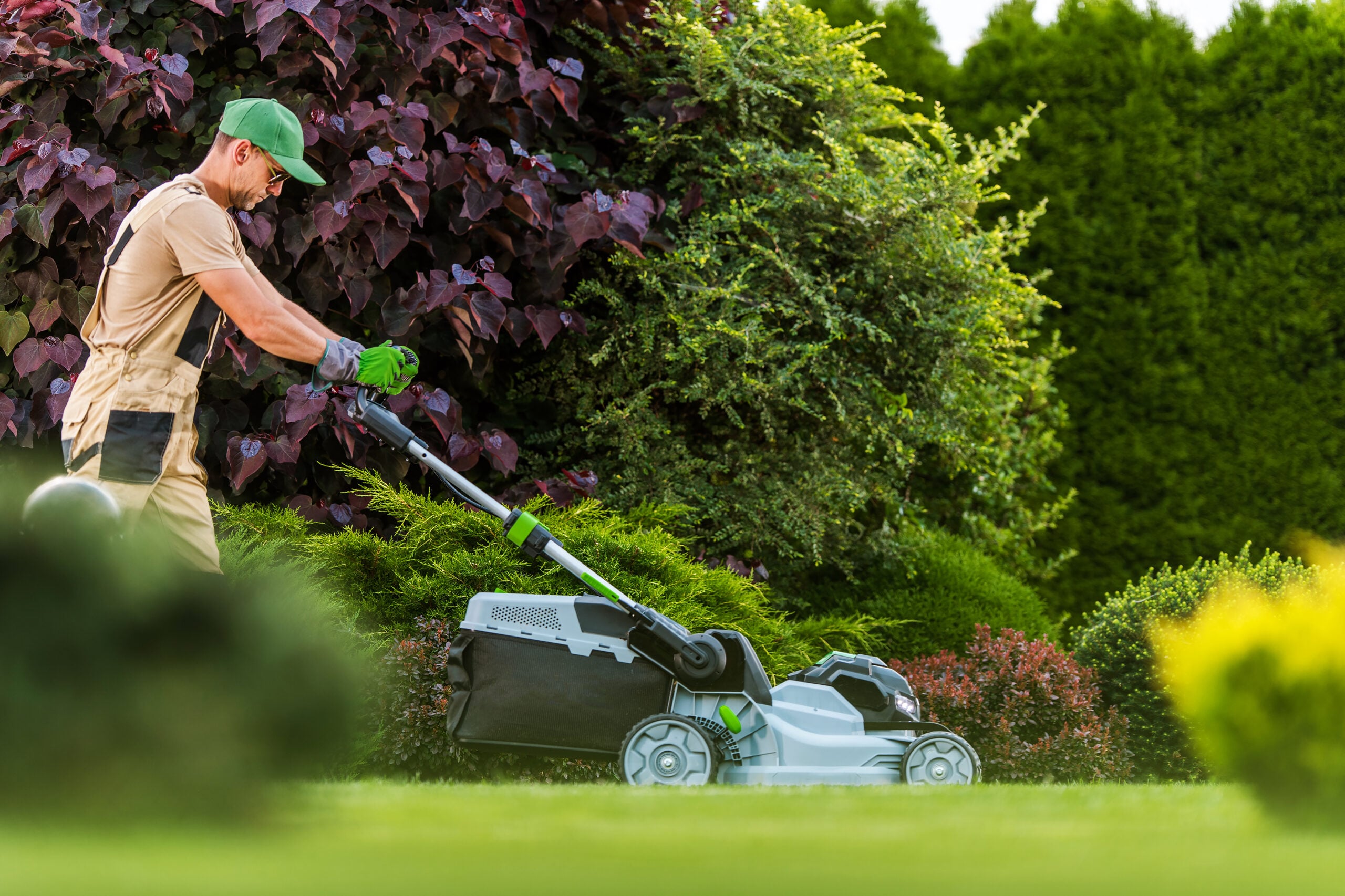
Ohio’s four distinct seasons create both opportunity and challenge for homeowners who want a healthy, green lawn year-round. From icy winters to humid summers, your landscape needs a tailored approach to lawn care that shifts with the calendar. Understanding what each season demands can mean the difference between a patchy yard and a lush, enviable lawn.
Early Spring: Waking Up Your Lawn
As the ground thaws and temperatures climb, your lawn begins to stir from dormancy. This is the time to clear away debris, dead leaves, and any lingering winter damage. A light raking helps remove thatch buildup and allows air and sunlight to reach the soil.
Early spring is also an ideal window for pre-emergent weed control. Applying it before weeds like crabgrass germinate can save you significant headaches later in the season. If your soil has been compacted over winter, consider aerating to improve water and nutrient absorption—this simple lawn enhancement sets the stage for stronger root growth.
Late Spring: Fertilizing and Mowing Begins
By late spring, Ohio lawns typically enter active growth mode. This is when a balanced fertilizer application can give your grass the nutrients it needs to thrive. Pair this with the start of regular mowing, keeping blades sharp and cutting no more than a third of the grass height at a time to avoid stressing the lawn.
This is also a good season to address any bare patches with overseeding. Choosing grass varieties suited to Ohio’s climate, such as cool-season blends, ensures better resilience against the state’s temperature swings.
Summer: Maintaining Through the Heat
Summer in Ohio can bring stretches of heat and humidity that put stress on lawns. Consistent watering—ideally early in the morning—helps roots stay hydrated without encouraging fungal growth. Mowing should continue, but raising the blade height slightly during peak heat helps grass retain moisture and shade its own roots.
Keep an eye out for pests and signs of disease during these warmer months, as humidity can create favorable conditions for both. Spot-treating problem areas quickly prevents small issues from spreading across your landscape.
Early Fall: Preparing for Renewal
Fall is often considered the most important season for lawn care in Ohio. Cooler temperatures and consistent rainfall create ideal conditions for grass to recover from summer stress. This is the best time for core aeration and overseeding, as seeds have ample time to establish before winter arrives.
A fall fertilizer application also plays a key role, helping your lawn build up the energy reserves it needs to survive dormancy and bounce back vigorously in spring. Continue mowing as needed, gradually lowering the blade height as growth slows.
Late Fall: Final Cleanup
As leaves drop and temperatures dip further, late fall is about tidying up. Regularly removing fallen leaves prevents them from smothering grass and creating conditions for mold or disease. A final mow at a slightly shorter height helps prevent matting under snow cover.
This is also a smart time to winterize any irrigation systems and store away lawn equipment properly, setting you up for an easier start when spring returns.
Winter: Rest and Planning
While active lawn care slows significantly during Ohio winters, it’s not a season to ignore your landscape entirely. Avoid walking on frozen or frosted grass, as this can damage dormant blades. Winter is also a great time to plan ahead—researching lawn enhancements, mapping out new landscaping projects, or scheduling professional services for the upcoming year.
Building a Lawn That Lasts
A complete lawn maintenance schedule in Ohio requires attention throughout the year, with each season playing a distinct role in your lawn’s overall health. By staying consistent with mowing, fertilizing, aeration, and seasonal cleanup, you’ll build a resilient landscape that can withstand Ohio’s unpredictable weather patterns. Whether you handle the work yourself or bring in professional lawn care support, following this seasonal rhythm will help your yard stay vibrant from the first spring thaw through the last fall leaf.