
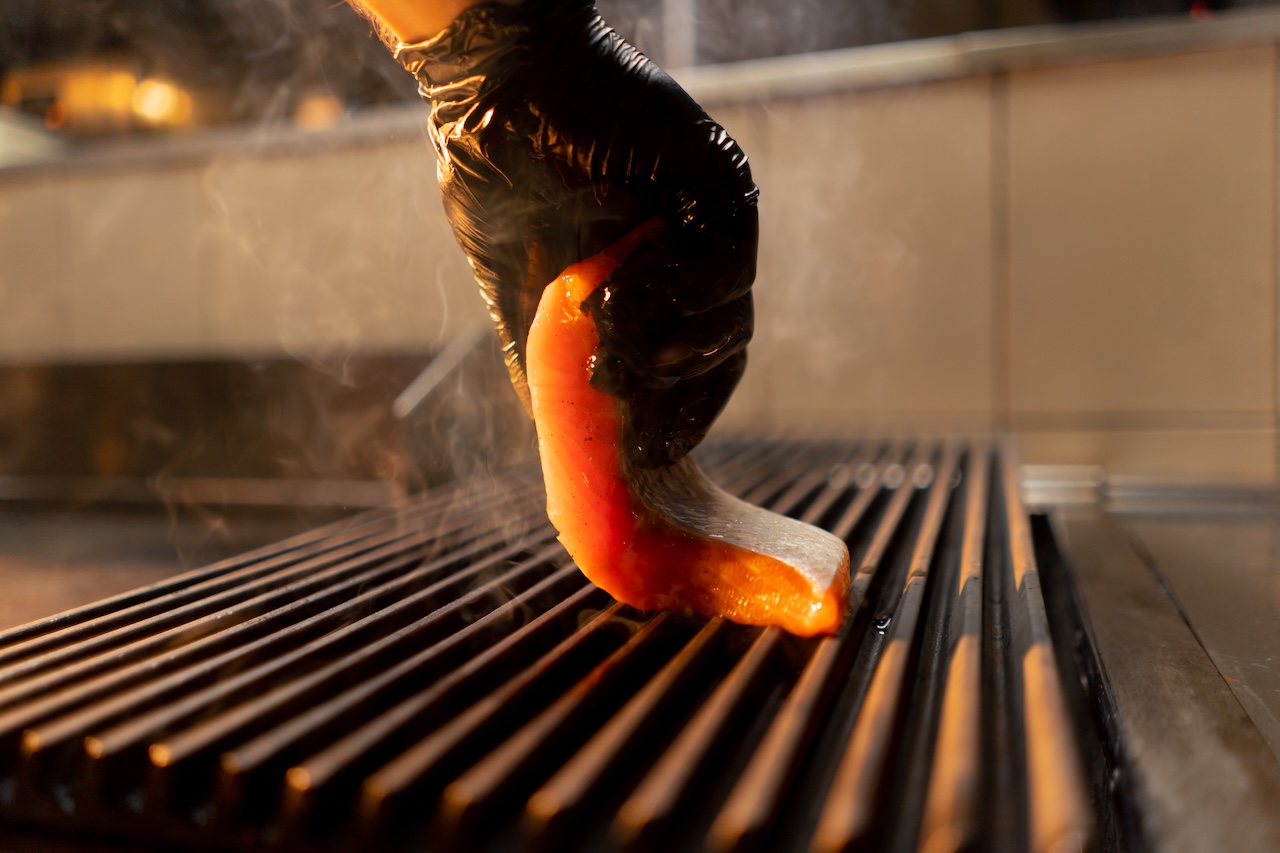
Maintaining food safety in any commercial kitchen is a critical responsibility, and nowhere is that more evident than at the grill station. Commercial grills, including popular models like the tuff broiler, are often at the heart of food preparation. These versatile appliances help chefs churn out mouthwatering dishes, but they can also become a hotspot for cross-contamination if not handled properly. In this guide, we’ll walk you through how to prevent cross-contamination on your commercial grill to protect your customers, maintain compliance, and ensure excellent food quality.
Understanding Cross-Contamination
Cross-contamination occurs when harmful bacteria or allergens are transferred from one surface or item to another. In the context of your commercial grill, this can happen when raw meat, poultry, seafood, or their juices come into contact with cooked food, utensils, grilling surfaces, or even your hands. The consequences of cross-contamination can be severe, including foodborne illnesses and damaged reputations.
The good news? These risks are entirely preventable with the right knowledge and strategies.
Best Practices for Preventing Cross-Contamination on Your Grill
1. Segregating Raw and Cooked Items
One of the most basic yet essential measures is keeping raw ingredients separate from cooked foods at all stages. For commercial grilling:
- Use color-coded tongs, spatulas, and brushes to designate tools for raw and cooked foods.
- Assign specific grill zones for raw ingredients and finished dishes.
- Implement strict protocols to never place cooked items back onto plates or surfaces that previously held raw foods.
2. Regularly Cleaning the Grill Grates
The grill grates of appliances like a tuff broiler collect residue and food particles over time. To minimize cross-contamination:
- Clean the grill grates thoroughly before you start cooking and between different food types.
- Use a high-quality grill brush and cleaning solution to remove any grease and debris.
- Perform a deep clean after hours to ensure no bacteria is left to grow overnight.
3. Proper Food Storage
Even before ingredients meet the grill, safe storage is vital. Ensure:
- Raw foods are stored in sealed containers below cooked or ready-to-eat items in refrigerators to prevent dripping.
- Label and date all food items to avoid mishandling or using expired products.
- Use cold storage effectively to keep perishable items out of the danger zone (the temperature range between 40°F and 140°F where bacteria can multiply rapidly).
Emphasizing Personal Hygiene
Your staff plays a crucial role in preventing cross-contamination. Make sure to establish workplace hygiene protocols that include:
- Frequent Handwashing: Grill operators must wash their hands thoroughly with soap and hot water, especially after handling raw meats or changing tasks.
- Wearing Appropriate Attire: Chefs should wear gloves when needed, assign aprons exclusively for raw food tasks, and avoid touching their face or hair during cooking.
- Regular Training: Conduct regular staff training sessions on food safety procedures to keep everyone up to date with safety standards and best practices.
Choosing the Right Equipment Matters
Investing in reliable, easy-to-clean commercial grilling equipment is a critical step toward food safety. The tuff broiler, for example, is a robust choice for professional kitchens, but like any appliance, it requires regular maintenance and cleaning. Look for grills with removable parts for easy washing, non-stick surfaces to reduce residue buildup, and grease management systems to minimize mess.
By pairing high-quality equipment with proper safety practices, your team can focus on preparing delicious meals without worrying about health hazards.
Conclusion
Maintaining food safety, especially on a busy commercial grill, is a non-negotiable priority. By implementing strategies to prevent cross-contamination—such as segregating tools and grill zones, cleaning regularly, and promoting personal hygiene—you can create a safer kitchen environment. Combine these efforts with the right equipment, like the tuff broiler, and you’ll build trust with your customers, maintain compliance, and produce high-quality food that keeps them coming back for more.