
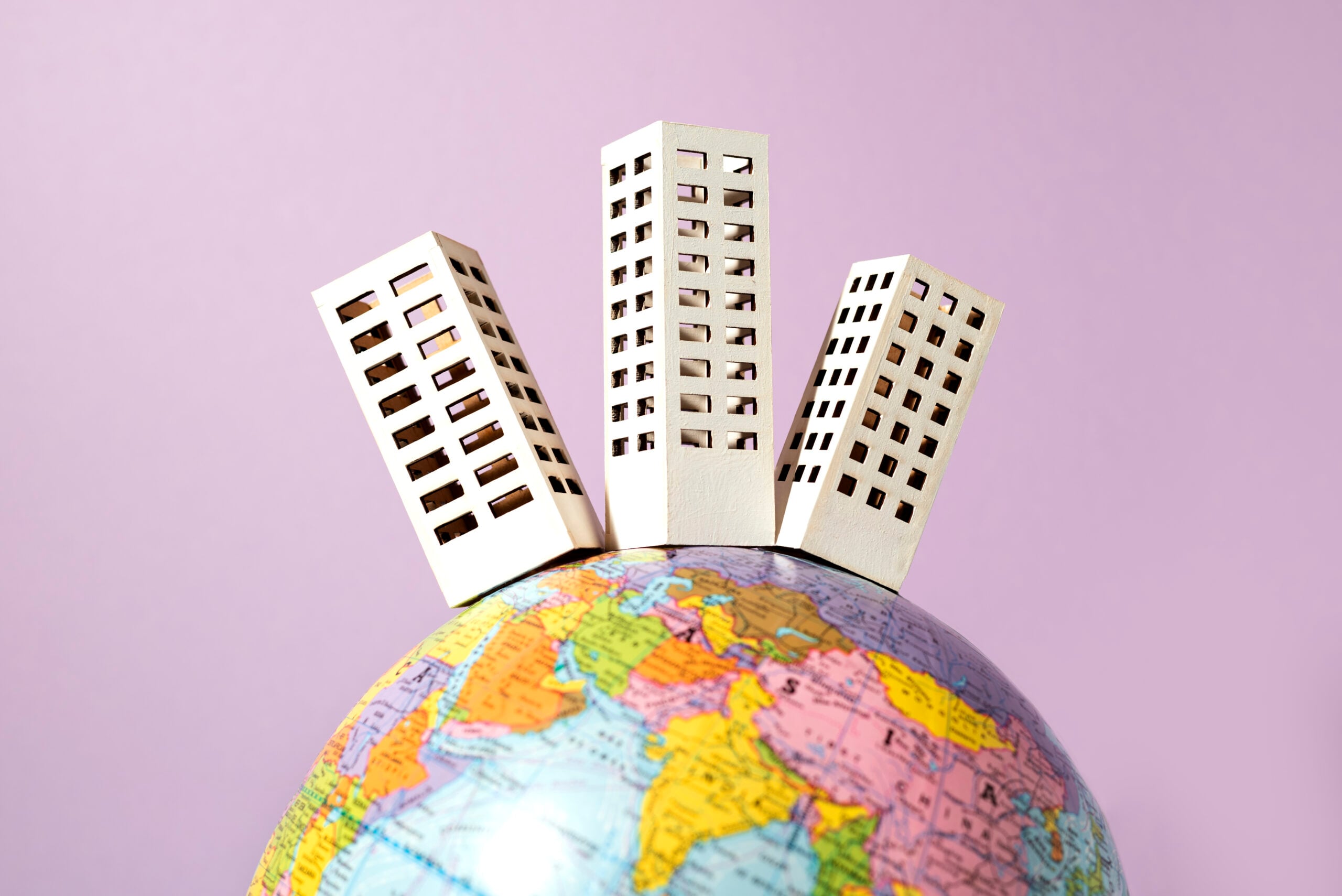
Picture waking up to the sound of ocean waves in a tropical paradise or drinking coffee on the balcony of a historic European villa. Buying a second home overseas is an incredibly exciting milestone, offering a perfect personal escape and a smart way to diversify your financial portfolio. However, turning that daydream into a reality involves navigating a very complex maze of foreign laws, unfamiliar banking systems, and long-distance logistics.
Diving into the world of international real estate without doing your homework is a quick way to turn a relaxing vacation property into a massive financial headache. While the prospect of owning a slice of paradise is tempting, you have to approach the purchase with a cool head and a solid strategy. Let’s look at the most common, costly mistakes buyers make when shopping for property overseas and exactly how you can easily avoid them.
Assuming the Legal Process is the Same
Every country has its own unique set of property laws, and assuming they mirror the system back home is a critical error. In some nations, foreigners are strictly prohibited from owning land near the coast or international borders. In others, you might only be able to buy a property through a complex bank trust or long-term lease agreement. You also have to consider inheritance laws, which can dictate exactly who gets the property if you pass away, completely overriding your personal will.
Never assume a handshake deal or a basic contract protects your investment. You absolutely must hire an independent, locally licensed real estate attorney to run a thorough title search, ensure there are no hidden liens, and translate all the legal jargon into plain terms you actually understand before you sign anything. Relying solely on the seller’s agent to explain the law is a massive conflict of interest.
Misunderstanding the Financing and Currency Risks
Getting a mortgage for a property located in another country is rarely a straightforward process. Your local bank back home will almost certainly refuse to use a foreign property as collateral for a loan because they have no legal jurisdiction to foreclose on it if you stop paying. This means you usually have to secure financing through a bank in the destination country, which often requires a massive down payment and comes with significantly higher interest rates for non-citizens.
Furthermore, you are exposing yourself to serious currency exchange risks. If your primary income is in dollars but your mortgage, property taxes, and utility bills are in a different currency, a sudden shift in exchange rates can cause your monthly expenses to skyrocket overnight. Many successful buyers bypass this headache entirely by paying in cash or utilizing equity lines of credit secured against their primary residence back home to fund the overseas purchase.
Wearing Vacation Goggles
It is incredibly easy to fall in love with a sleepy coastal town while you are relaxed on a two-week vacation. But living somewhere, even part-time, is entirely different from visiting for a few days. That quiet, secluded beach house is amazing until you realize it is a three-hour drive to the nearest modern hospital, and the local grocery store has terrible Wi-Fi and limited supplies.
Before you make an offer, you have to take off your vacation goggles and look at the infrastructure. How hard is it to actually travel there from your primary home? Are there direct flights year-round, or do the airlines cut service during the off-season? You need to rent a property in the same neighborhood during the worst time of the year, not just the peak tourist season, to see if the location still fits your lifestyle when the weather is bad and the restaurants close down.
Underestimating the Costs of Remote Maintenance
Owning a home is expensive, but owning a home thousands of miles away introduces a whole new layer of hidden costs. When the air conditioner breaks in the middle of a sweltering summer or a storm damages the roof, you cannot just drive over on a Saturday to fix it yourself. You have to rely on local contractors.
If you plan to leave the property empty for months at a time, you absolutely need to hire a reliable local property management company to check on the house, handle routine landscaping, and coordinate emergency repairs. Additionally, consider the local climate. Tropical environments with high humidity and salty ocean air destroy cheap appliances, exterior paint, and outdoor furniture in a matter of months. You have to budget heavily for accelerated wear and tear and general upkeep to keep the property from deteriorating while you are away.
Failing to Grasp the Tax Implications
Taxes are the ultimate obstacle to buying a second home, but ignoring them will land you in massive legal trouble. You are not just dealing with the property taxes in the destination country. You have to understand how buying, renting out, and eventually selling that property impacts your tax liability back home.
Many countries require you to pay a hefty stamp duty or transfer tax just to close the deal. If you decide to rent the property out to other tourists on a short-term basis to cover your expenses, you now have to navigate international income tax reporting. Always consult with an international tax specialist to map out your exact liabilities so you do not end up paying double taxes on a single asset or facing severe penalties for improper reporting.
A Calculated Escape
Buying a second home overseas is an incredible lifestyle upgrade that offers your family a private retreat and a foothold in a beautiful new culture. The key to a successful purchase is trading impulsive excitement for meticulous research. By building a team of local experts, understanding the financing hurdles, and planning for long-term maintenance, you completely protect your investment. When you take the time to navigate the logistics carefully, you get to skip the financial headaches and focus entirely on enjoying your new slice of the world.