
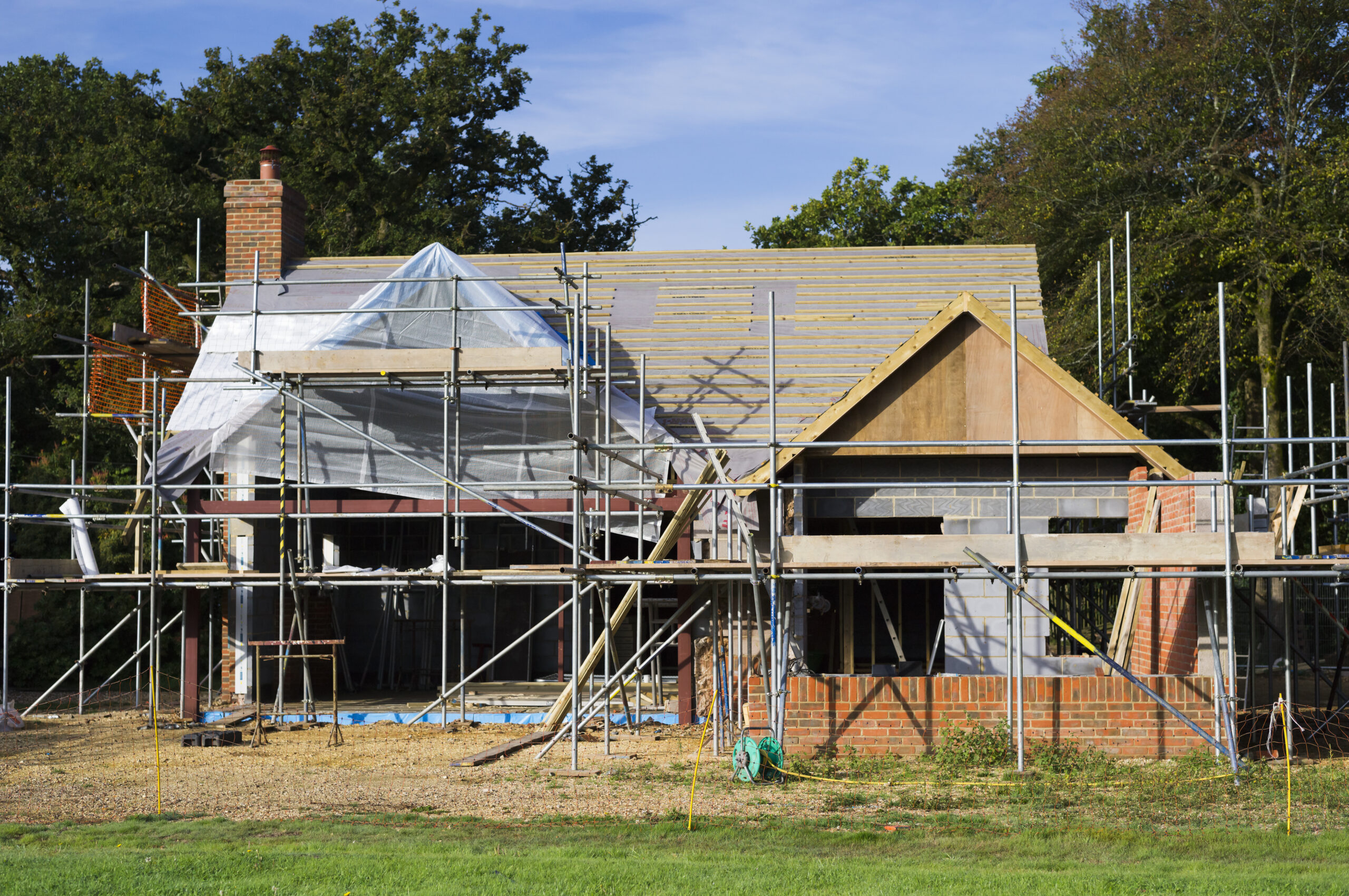
Water extracted. Debris cleared. Structure dried and treated. If you’ve made it through mitigation, you’ve already cleared one of the toughest hurdles after property damage. But there’s still work ahead. Reconstruction is where your property actually starts looking like home again, and knowing what to expect can make this next chapter far less stressful.
Understanding the Shift From Mitigation to Reconstruction
Mitigation and reconstruction serve different purposes, even though they’re part of the same overall restoration process. Mitigation is about stopping damage in its tracks — removing water, addressing mold risks, and stabilizing the property so things don’t get worse. Reconstruction is the rebuilding phase, where damaged materials are replaced and your space is restored to its pre-loss condition or better.
This transition often involves a shift in crews, timelines, and sometimes even project managers. That’s normal. The mitigation team’s job is finished once the property is safe and dry; the reconstruction team takes over from there. Don’t be alarmed if there’s a short gap between phases — this is typically used for assessments, permitting, and planning rather than idle time.
The Assessment and Planning Stage
Before any rebuilding begins, a thorough assessment of the damage is necessary. Contractors will walk through the affected areas, document what needs to be repaired or replaced, and put together a scope of work. This is also when material selections come into play, whether you’re matching existing flooring, choosing new drywall finishes, or deciding on paint colors.
This stage is also when you’ll likely be working closely with your insurance adjuster. Estimates get compared, scopes get finalized, and approvals move forward. It can feel like a lot of back-and-forth, but this groundwork prevents costly surprises once construction begins. Clear communication here saves time later, so don’t hesitate to ask questions about what’s included in your rebuild plan.
What Actually Happens During Rebuilding
Once plans are approved, the physical work begins. Depending on the extent of the damage, reconstruction can range from replacing a section of drywall to a full rebuild of multiple rooms. Common tasks during this phase include:
- Framing repairs for any structural elements that were compromised
- Drywall installation and finishing
- Flooring replacement, matched to existing materials where possible
- Painting and trim work to bring rooms back to a finished look
- Electrical and plumbing reconnections if those systems were affected
- Cabinetry, countertops, and fixtures for kitchens and bathrooms
Work typically progresses in a logical order — structural repairs first, followed by finishes. This sequencing matters because it prevents rework and keeps the project moving efficiently.
Timelines and What Influences Them
One of the most common questions during this phase is simple: how long will this take? The honest answer is that it depends. Reconstruction timelines vary based on the size of the affected area, the availability of materials, permitting requirements, and the complexity of the repairs.
Smaller projects, like restoring a single room, might wrap up in a matter of weeks. Larger rebuilds involving multiple rooms or structural repairs can take considerably longer. Weather, contractor scheduling, and supply chain factors can also shift timelines. A reputable contractor should give you a realistic estimate upfront and keep you updated if circumstances change.
Staying Involved Without Getting Overwhelmed
You don’t need to supervise every nail and paint stroke, but staying informed throughout reconstruction helps ensure the finished product matches your expectations. Regular check-ins with your project manager, whether that’s a quick phone call or an in-person walkthrough, keep everyone aligned.
It’s also worth keeping records as work progresses. Photos, receipts, and written updates can be useful both for tracking progress and for any ongoing communication with your insurance company. If something doesn’t look right or doesn’t match what was discussed, speak up early. Small adjustments are much easier to make mid-project than after everything is finished.
Reaching the Finish Line
As reconstruction wraps up, a final walkthrough is typically scheduled. This is your opportunity to inspect the work, point out any lingering concerns, and confirm that everything meets the agreed-upon scope. Punch lists — the small fixes and finishing touches — often get addressed during this stage.
Once complete, your property should not only be restored, but often improved upon in terms of durability and finish. Rebuilding after damage is never the ideal circumstance, but the reconstruction phase ultimately closes that chapter, replacing disruption with a fresh, fully functional space you can move back into with confidence.