
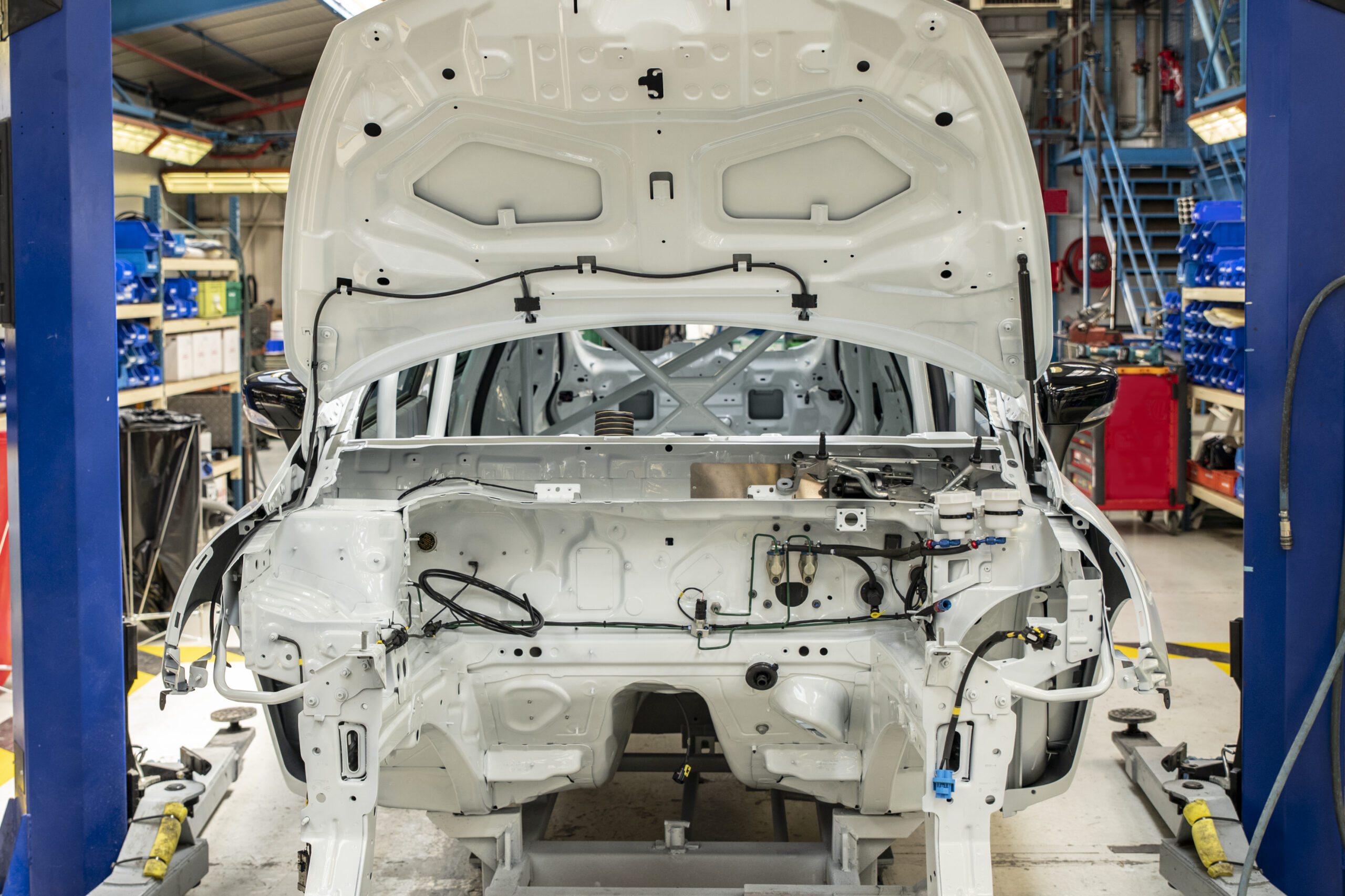
Whether it’s a minor fender bender or a more significant accident, a collision can leave your car with damage that isn’t always visible to the naked eye. Hidden damage can not only lead to costly repairs down the line but also compromise your car’s safety and functionality. Recognizing these signs early and seeking help from an experienced auto body shop is crucial to keeping your vehicle in top shape. In this article, we’ll outline five common signs to watch for that may indicate hidden damage after a crash.
1. Alignment Issues
A sure sign of hidden damage is when your car starts pulling to one side while driving. Misalignment can occur due to the impact of a collision, even if the external damage doesn’t seem severe. Left unchecked, poor alignment can lead to uneven tire wear, reduced fuel efficiency, and driving difficulties.
If your car wasn’t pulling to one side before the crash, this is a red flag that you shouldn’t ignore. Visit an auto body shop for a thorough inspection to ensure your suspension and frame are in proper condition.
2. Unusual Noises
Your car should run smoothly and quietly, barring normal engine sounds. After a crash, you might start noticing unfamiliar noises such as rattling, grinding, or squealing. These sounds often indicate internal damage to components like your suspension system, brakes, or even your transmission.
What may seem like a minor irritation could worsen over time if not addressed promptly. An inspection at a trusted auto body shop will help trace and fix the source of the noise before further damage occurs.
3. Leaking Fluids
A crash can cause cracks, punctures, or loose connections in your vehicle’s systems, leading to leaks. Whether it’s oil, coolant, brake fluid, or transmission fluid, any sign of dripping or pooling beneath your car is a cause for immediate concern. Hidden damage to pipes, seals, or reservoirs can quickly escalate into an expensive repair if ignored.
A qualified technician at an auto body shop will be able to identify the source of the leak and fix any compromised systems.
4. Dashboard Warning Lights
Modern vehicles are equipped with sensors that monitor critical systems. After a crash, you might notice warning lights illuminating your dashboard — even if your car seems fine visually. These lights can indicate anything from an issue with the airbag system to engine trouble caused by the impact.
If a warning light comes on, don’t overlook it. Bring your car to an auto body shop and have it inspected to prevent potential safety risks or costly repairs down the road.
5. Changes in Driving Performance
Another subtle sign of hidden damage is a noticeable change in how your car handles. This could include difficulty steering, reduced braking capabilities, or even strange vibrations while driving. These changes often point to underlying damage to your vehicle’s frame, suspension, or mechanical components.
Driving a compromised car can put you and others on the road at risk. It’s essential to have it assessed by professionals who can restore your vehicle’s performance and safety.
The Importance of Acting Quickly
Ignoring hidden damage is never worth the risk. Over time, what seems like a minor issue can snowball into a serious problem, potentially endangering your safety and piling on costs. Visiting an auto body shop as soon as you discover any signs of hidden damage ensures that you catch problems early, saving you time, money, and future headaches.
Final Thoughts
After a collision, it’s easy to overlook potential issues if your car seems fine on the surface. However, hidden damage can affect your car’s safety, performance, and longevity. By keeping an eye out for these five signs — alignment problems, unusual noises, fluid leaks, warning lights, and changes in driving performance — you can protect yourself and your vehicle from further harm.
If you’ve experienced a crash and suspect hidden damage, don’t take chances. Reach out to a trusted auto body shop to get a professional assessment and the necessary repairs. Your safety is worth it!