
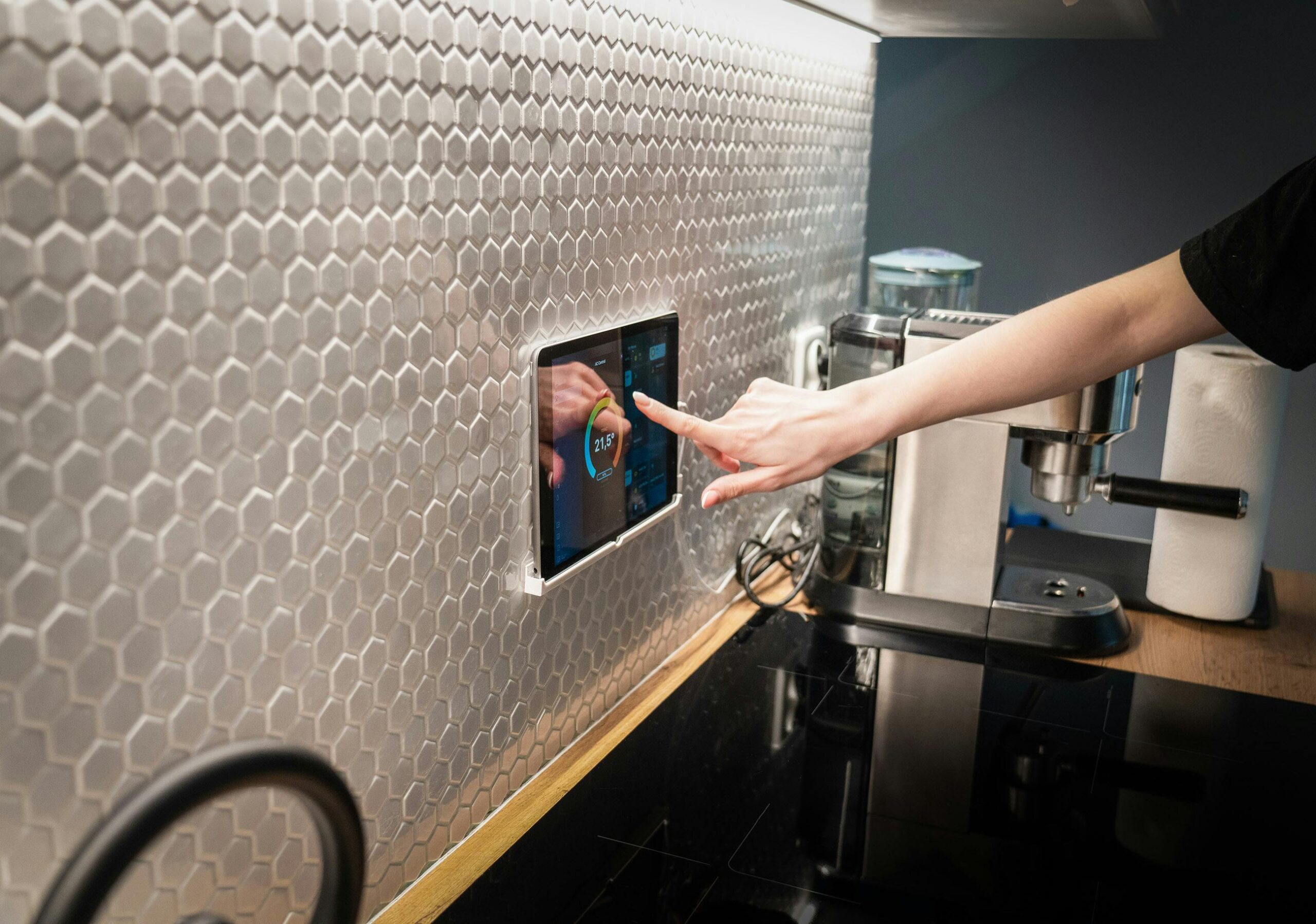
Living by yourself comes with incredible perks. You control the television remote, the refrigerator is stocked exactly to your liking, and you never have to wait for the bathroom. But independent living also has its drawbacks.
When you live alone, every single chore, utility bill, and security concern falls squarely on your shoulders. If a pipe bursts or you forget to lock the front door, there is no roommate around to catch the mistake. This is exactly where integrating smart home technology completely changes the dynamic of a solo household.
By setting up automated systems and connected devices, you essentially gain an invisible roommate who handles the tedious tasks and keeps a watchful eye on your property. Here are a few practical ways connected devices make living independently much safer and far more relaxing.
Ironclad Security Without the Paranoia
When you are the only one in the house, a weird noise outside at two in the morning can be terrifying. Traditional security requires you to get out of bed, walk through a dark house, and peer through the blinds. Connected security systems eliminate that vulnerability. With a video doorbell and exterior cameras connected directly to your phone, you can instantly see exactly what is happening outside without moving an inch.
Smart deadbolts offer a similar level of profound peace of mind. We have all experienced that sudden panic halfway to the office, wondering if we actually remembered to lock the front door. Instead of turning the car around and making yourself late for work, you just check an app and tap a single button to secure the house. You can also generate temporary access codes for dog walkers or maintenance workers, eliminating the dangerous need to hide a physical spare key under a predictable flower pot.
Catching Catastrophes Early
When multiple people live in a house, someone is usually around to smell burning toast or hear the hiss of a leaking water heater. Living alone means your house sits empty for eight to ten hours a day while you are at work. A minor plumbing leak can quickly destroy your entire first floor if left unchecked for an entire afternoon.
Deploying connected leak detectors under your kitchen sink, behind the washing machine, and near the water heater provides an immediate line of defense. The second the water touches the sensor on the floor, it pings your phone with a high-priority alert. Some advanced systems even connect directly to the main water supply valve, automatically shutting off the water flow the moment a leak is detected. This rapid response prevents thousands of dollars in water damage before you even have a chance to drive home.
Automating the Tedious Chores
Solo livers have to do all the cleaning, all the time. After a long day at the office, the last thing you want to do is push a heavy vacuum around the living room or scrub the kitchen floor. Connected appliances take a massive portion of the mental load off your plate.
Scheduling a robot vacuum to sweep and mop the floors while you are at work means you always come back to a clean house. Smart ovens can be preheated remotely as you leave the grocery store, and connected pet feeders ensure the cat gets fed right on schedule, even if you get stuck working late or hit bad traffic. These small daily automations stack up quickly, saving you hours of manual labor every week and giving you your precious free time back.
Effortless Energy Management
Paying all the utility bills on a single income requires strict budgeting. Wasting electricity by leaving lights on or cooling an empty house is a fast way to drain your bank account. Smart thermostats learn your specific schedule and adjust the temperature based on your actual habits. By utilizing geofencing, the system recognizes when your phone leaves the neighborhood, automatically dropping the heating or cooling to save you money while you are away.
The same logic applies to connected lighting. Replacing standard bulbs with smart LEDs allows you to create aggressive energy-saving routines. You can program all the lights in the house to shut down the moment you arm your security system in the morning. You eliminate the routine of walking back through the house, checking every single light switch before you rush out the door.
Building Custom Routines and Voice Assistance
Coming back to a dark, silent house can sometimes feel isolating. Connected ecosystems allow you to build complex routines that make your home feel inviting the second you pull into the driveway. You can set up an arrival routine that triggers as soon as you unlock the front door. The hallway lights slowly fade up to a warm glow, the thermostat drops to your ideal evening temperature, and your favorite playlist starts playing quietly through the living room speakers. It transforms the atmosphere of the house, shifting it from an empty building to a welcoming sanctuary that actively responds to your presence.
Adding a voice-activated assistant to this ecosystem is incredibly helpful when you are the only one managing the household inventory. When you use the last of the olive oil or run out of paper towels, you simply tell the speaker to add it to your shopping list. You do not have to stop what you are doing or find a pen. Voice commands are also invaluable if you are sick or injured. If you twist your ankle and are stuck on the couch, you can still control the lights, adjust the temperature, and lock the doors just by speaking into the room.
Choosing Your Independence
Choosing to live alone is a massive step toward personal freedom. Maintaining that independence requires a lot of hard work and responsibility. By treating connected devices as tools rather than just trendy gadgets, you build a supportive infrastructure around your daily life. They watch the perimeter, manage your utility bills, and handle the repetitive cleaning tasks, leaving you free to actually enjoy your independent space.