
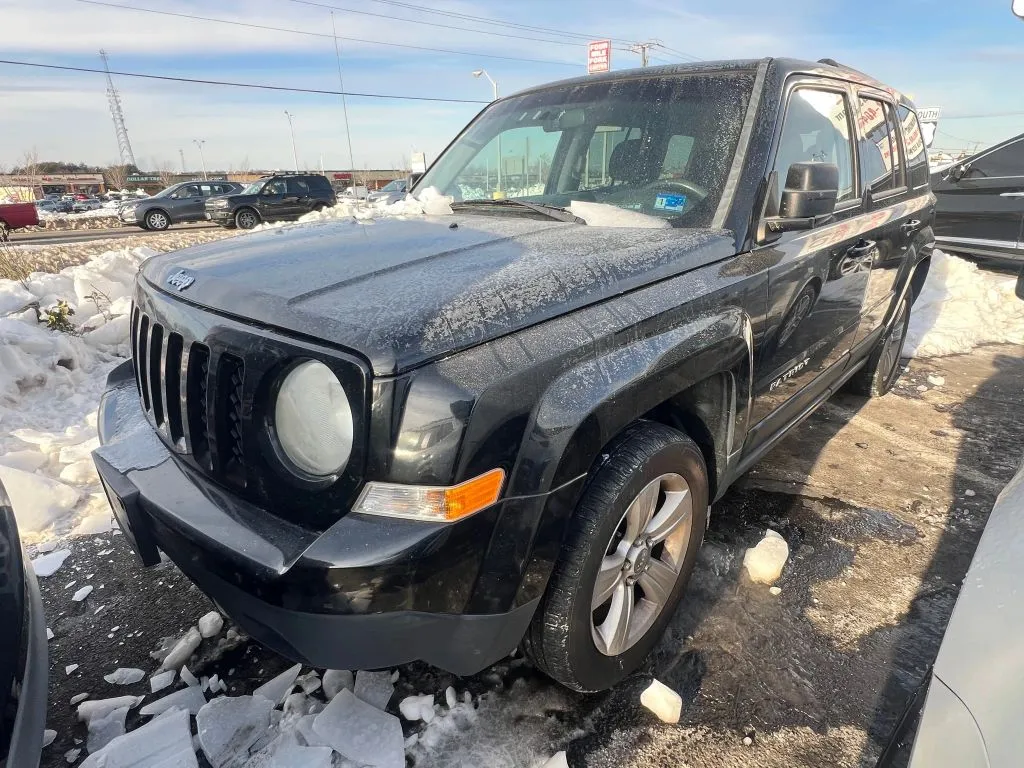
After an accident, Virginia drivers often face a tough decision: should I sell my wrecked car privately or trade it in at a dealership? Both options have pros and cons, and understanding them can help you make the choice that maximizes your financial return while minimizing stress.
Option 1: Trading In a Wrecked Car
Trading in your car after an accident is often the most convenient option. Here’s what you should know:
Pros of Trading In:
- Convenience: The dealership handles the paperwork, title transfer, and trade-in process.
- Immediate Credit: The trade-in value is applied directly to your next vehicle purchase.
- Safe Process: You don’t have to find a private buyer or deal with strangers.
Cons of Trading In:
- Lower Offers: Dealers consider accident history and diminished value, often offering less than a private sale.
- Limited Negotiation: While you can negotiate, dealerships usually factor in resale risk, which can limit flexibility.
Option 2: Selling Privately
Selling your wrecked car to a private buyer or through an online marketplace may result in a higher payout, but it comes with more effort and risk.
Pros of Selling Privately:
- Potentially Higher Value: Private buyers may pay more than dealers, especially if the damage is minor or repairs have been made.
- Flexible Negotiation: You can negotiate directly with buyers for a fair price.
- More Options: You can choose to sell as-is or after repairs, depending on the market.
Cons of Selling Privately:
- Time-Consuming: You’ll need to advertise, meet buyers, and handle paperwork.
- Safety Risks: Meeting strangers or showing a damaged car can be inconvenient or unsafe.
- Payment Risks: Ensuring secure payment can be a concern.
Factors to Consider
When deciding whether to sell or trade in a wrecked car in Virginia, consider these factors:
- Severity of Damage: Severe frame or mechanical damage usually favors trade-in or selling to salvage buyers. Minor cosmetic damage may be more profitable for private sale.
- Repair Costs: If repairs are expensive, trading in might make more sense than fixing the car to sell privately.
- Time and Convenience: If you need to buy a new car quickly, a trade-in is faster and less stressful.
- Diminished Value: Accident history reduces value, whether selling privately or trading in. Understanding this helps set realistic expectations.
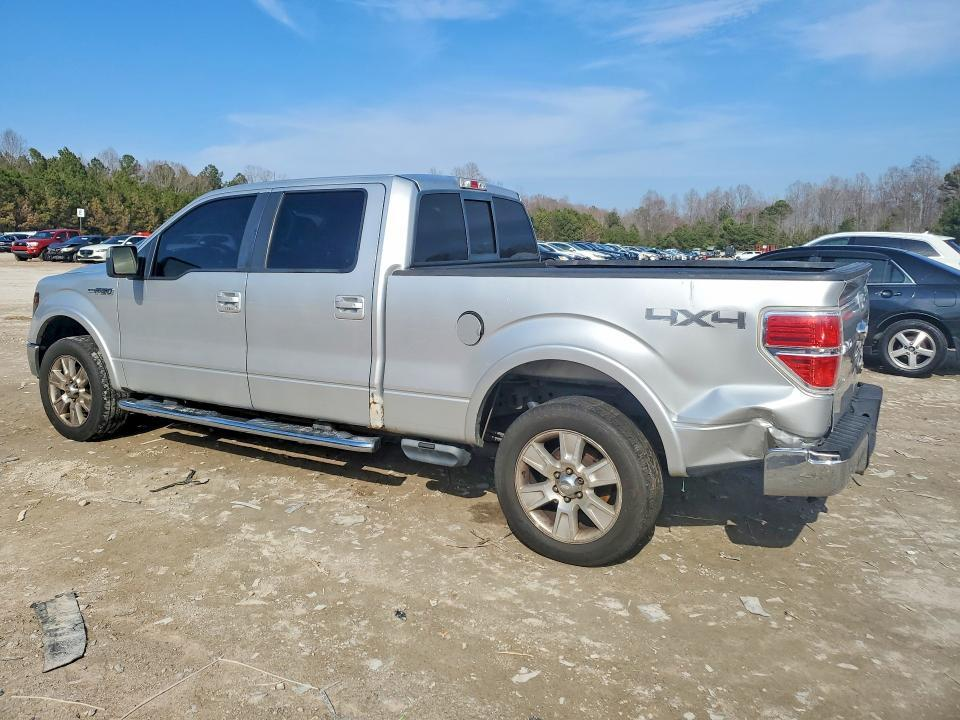
Making the Right Choice
- Minor Damage: Consider private sale or minor repairs before trading in.
- Moderate to Severe Damage: Trade-in or sell to salvage buyers to avoid costly repairs and reduce stress.
- Total Loss Considerations: If the car is totaled or has a salvage title, private sale options may be limited, making trade-in the simpler choice.
Final Thoughts
Whether you sell or trade in your wrecked car in Virginia depends on your priorities: convenience, speed, or maximizing value. Trade-ins are faster and safer but usually yield lower offers due to diminished value and accident history. Private sales can bring higher returns but require more effort and carry some risk.
By evaluating your car’s condition, repair costs, and personal needs, you can make a strategic decision that works best for your situation.