
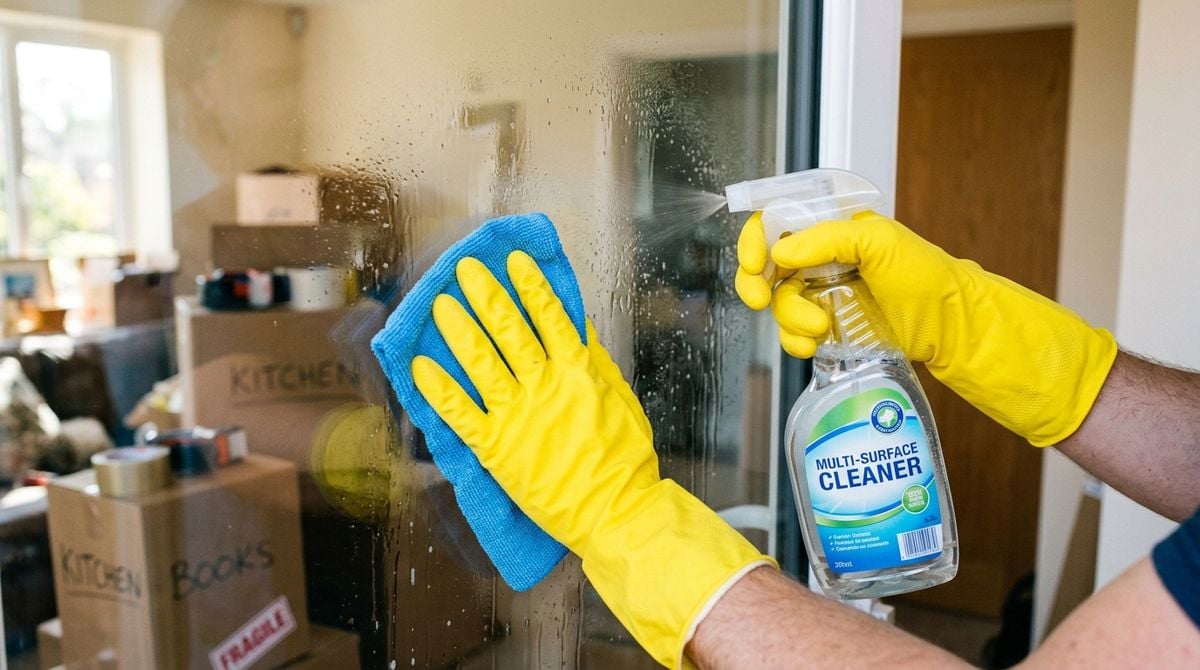
Many households keep a cupboard full of specialist cleaning products, each designed for one narrow job. The bottles add up over time, and some contain strong fumes that many people prefer to avoid around children and pets. A simpler approach uses a small set of basic ingredients that are inexpensive, widely available and effective for most everyday tasks. This guide explains which ingredients are worth keeping, how to use them safely and which common mistakes to avoid. It offers general household information, and anyone with a health condition or a specific concern about a surface should check with a qualified professional before trying a new method.
Choose a small set of reliable ingredients
A useful kit often includes plain liquid soap, white vinegar, bicarbonate of soda, a bucket or spray bottle, and a supply of clean cloths. Soap lifts grease and dirt from most washable surfaces. Vinegar helps dissolve mineral deposits and can cut through some kinds of residue, such as soap scum on glass. Bicarbonate of soda is a mild abrasive that can scrub away stains on sinks and enamel. Clean cloths are often more useful than sponges because they can be washed and reused without holding on to bacteria.
It is worth keeping these ingredients clearly labeled, especially when children are in the home. Store them in a cool, dry cupboard away from food, and never transfer a cleaning liquid into a container that could be mistaken for a drink. Clear labels reduce the chance of accidents and help everyone in the household know what each bottle contains.
Use a simple method for each surface
Most surfaces respond best to a consistent routine. Start by removing loose dust or crumbs with a dry cloth or a brush, because wet cleaning spreads grit and can scratch. Then apply a small amount of diluted soap solution, work it gently across the surface and wipe it away with a clean damp cloth. Finish with a rinse and a dry cloth to prevent streaks and water marks. This method suits kitchen counters, tables, cupboard doors and many painted walls.
For glass, a mix of warm water and a small amount of vinegar, applied with a microfiber or lint-free cloth, usually works well. Polish with a dry cloth to finish. For bathroom tiles, a paste of bicarbonate of soda and water can lift light stains when scrubbed gently with a soft brush. Rinse thoroughly afterward so that no grit remains on the surface.
- Dust or sweep before any wet cleaning
- Test any new mixture on a small hidden area first
- Never mix different cleaning products together in one container
- Use the lightest method that works before trying anything stronger
- Rinse the surface and dry it to avoid streaks or residue
- Wash cloths regularly and let them dry fully before the next use
Avoid dangerous combinations and surfaces
Safety matters more than cleverness. Bleach should never be mixed with vinegar, ammonia or any other cleaning product, because the combination can release harmful gases. Read the labels of any commercial product before combining it with another substance, and ventilate the room well when cleaning. Natural stone, some wood finishes and certain metals can be damaged by acidic or abrasive mixtures, so check the manufacturer’s guidance before using vinegar or bicarbonate of soda on them. When in doubt, a gentle soap solution is the safest option. Readers may also want to visit 10printers.
Protective gloves are a sensible habit, especially when cleaning for long periods or when the skin is sensitive. Open a window or use an extractor fan, and keep children and pets out of the room until surfaces are dry. If anyone experiences irritation, coughing or dizziness after cleaning, move into fresh air and seek advice from a qualified health professional.
Make cleaning part of a steady routine
Regular, small tasks are easier than occasional marathon sessions. A quick wipe of the kitchen counter after cooking, a sweep of the floor each evening and a weekly bathroom check can keep a home feeling fresh without taking over the weekend. Many people find that setting a rough rotation, with a different area each day, makes the job feel manageable. A simple chart on the cupboard door can keep track of who is doing what, especially in a shared household.
It also helps to keep the cleaning equipment near the place where it is needed most. A small caddy in the kitchen or bathroom reduces the time spent searching for cloths and bottles. You can also visit bestwirelesssecuritycamera for more reading.
Learn from common mistakes
One frequent error is using too much soap, which leaves a film that attracts dirt. A few drops in a bucket of water are usually enough. Another mistake is leaving vinegar on surfaces for long periods, which can dull finishes on some materials. Scrubbing too hard with bicarbonate of soda can scratch softer surfaces, so use a gentle touch. For a related read on this site, see Planning an Estate Motor Court for Everyday Travel.
Finally, store the cleaning kit dry and out of direct sunlight. Ingredients lose strength when exposed to heat and moisture, and a tidy kit is easier to use. Cleaning with basic ingredients does not need to be complicated. A small set of reliable items, a safe method for each surface and a regular routine can keep a home clean, calm and comfortable.