
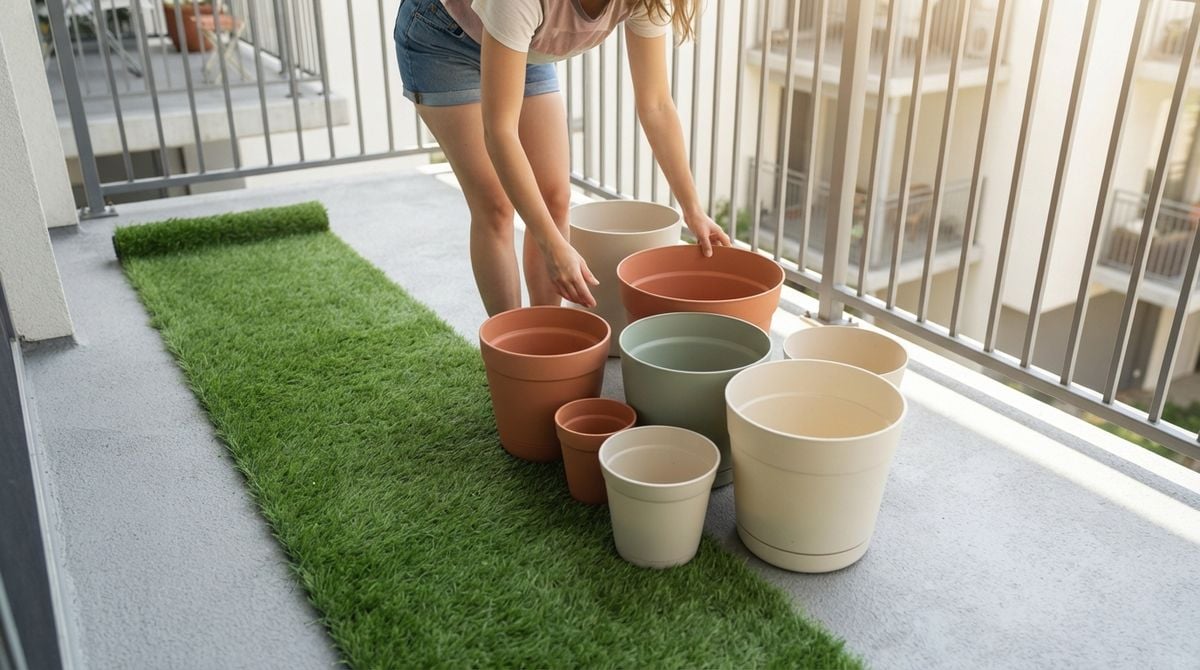
A small balcony or courtyard can become a surprisingly productive kitchen garden. Many families in villages and small towns grow herbs, chillies, leafy greens, and tomatoes in pots, old buckets, or wooden crates. Even a modest space can supply fresh flavors for daily cooking. This article explains how to plan a compact garden, choose containers and soil, water wisely, and keep plants healthy with simple habits. It is general practical advice, and you can adjust it to your own light, climate, and time.
Measuring light and choosing a spot
Before buying a single pot, observe the space for a full day. Notice where the sun falls in the morning, at midday, and in the late afternoon. Most fruiting plants need several hours of direct sun, while many herbs and leafy greens can manage with less. A spot that receives gentle morning light and some afternoon shade is often ideal in hot regions.
Check the wind as well. A balcony exposed to strong gusts can dry out plants quickly and knock over containers. Place heavy pots near walls or railings, and use stakes for tall plants such as tomatoes. Safety matters too, so keep pots away from edges and make sure railings are secure before placing anything heavy.
Selecting containers and soil
Containers should have drainage holes, because standing water can rot roots. Old buckets, wooden crates, and clay pots can all work well if you add holes at the base. Lighter containers are easier to move, which helps when the weather changes or when you need to shift plants to catch more sun.
Use a good potting mix rather than garden soil, since garden soil compacts in pots and drains poorly. Readers may also want to visit Angkor Car Guide. Choose a mix that feels light and crumbly, and avoid soil that smells sour or looks waterlogged.
A simple setup list for beginners:
1. Choose containers with drainage holes at the base.
2. Fill them with a light potting mix rather than heavy garden soil.
3. Place each pot where it receives the right amount of sun.
4. Add stakes or small supports for climbing or tall plants.
5. Keep a watering can and a small trowel close by.
Plan the garden around what your household actually eats. Herbs for everyday cooking, such as coriander, mint, and spring onions, are often the most useful choices for a small space because they can be picked in small amounts. Leafy greens grow quickly and can be sown again every few weeks. Chillies and tomatoes need more sun and patience, but they reward the effort with fresh flavor. Avoid planting large crops that will overwhelm the balcony at harvest time. A short list written on paper, with the few plants you use most, can guide your first purchase and keep the garden focused.
Watering and feeding plants
Overwatering is one of the most common mistakes in container gardens. Pots dry out faster than open ground, but they can also stay soggy if the drainage is poor. Check the soil with a finger before watering: if the top layer feels dry, water gently until it runs out of the base. Water in the early morning or late evening to reduce loss to the heat.
Feed plants with compost or a mild organic fertilizer, and follow the instructions on the package. You can also visit antechauto.com for more reading. Avoid heavy feeding, because too much fertilizer can burn roots and produce weak growth.
Keeping pests and diseases in check
Balconies and courtyards can attract insects, but many problems can be managed without harsh chemicals. Inspect the leaves every few days, looking for holes, sticky residue, or small colonies of insects. Remove affected leaves promptly and rinse plants gently with water if pests are light. Companion planting, such as growing herbs near vegetables, may help some gardeners, though results vary.
For a related read on this site, see Setting Up a Safe Residential Charging and Parking. Keep the area clean, remove fallen leaves, and avoid crowding plants, since good airflow reduces the risk of fungal problems. If an illness spreads, remove the worst plants and seek local advice before using any product.
Harvesting and enjoying the garden
Harvest herbs and leaves regularly, because frequent picking encourages bushy growth. Pick chillies and tomatoes when they are ripe, and check plants every day during the season. Fresh produce tastes best when it is used quickly, so plan simple meals that make use of the harvest, such as herb rice, leafy stir-fries, or fresh salads.
Many families find that the garden becomes a natural place to talk, rest, and watch the seasons change. Invite neighbors to share cuttings or seeds, and build a small exchange of plants. A balcony garden may be modest, but it can bring color, flavor, and a daily connection to the living world.