
Renting a home can make maintenance feel like someone else’s problem, yet small everyday habits often determine whether a flat or house stays comfortable and whether a deposit is returned in full. Tenants are usually responsible for keeping the property clean and for reporting faults promptly, while landlords handle larger repairs. Knowing where the lines fall, and checking the home regularly through the year, protects both the property and the tenant. This article offers a seasonal checklist for general upkeep. It is not legal advice, and the terms of each tenancy agreement and local rules should always be checked, with a qualified adviser consulted for disputes.
Start the year with a full condition check
Begin by walking through the property with a notebook or a phone. Note the state of walls, floors, windows, doors, appliances and fittings, and take photographs of any marks or damage that already exist. This record becomes useful later, especially when moving out, because it shows what condition the home was in at the start. Share the list with the landlord or letting agent if that is the agreed process, and keep a copy in a safe place.
Check smoke alarms and carbon monoxide alarms during this review. Test them according to the manufacturer’s instructions, and report any fault straight away. Many households also check that fire doors and exits are clear. These safety checks should never be postponed, and a fault should be reported in writing so that there is a clear record of the request.
Spring: clean, ventilate and inspect
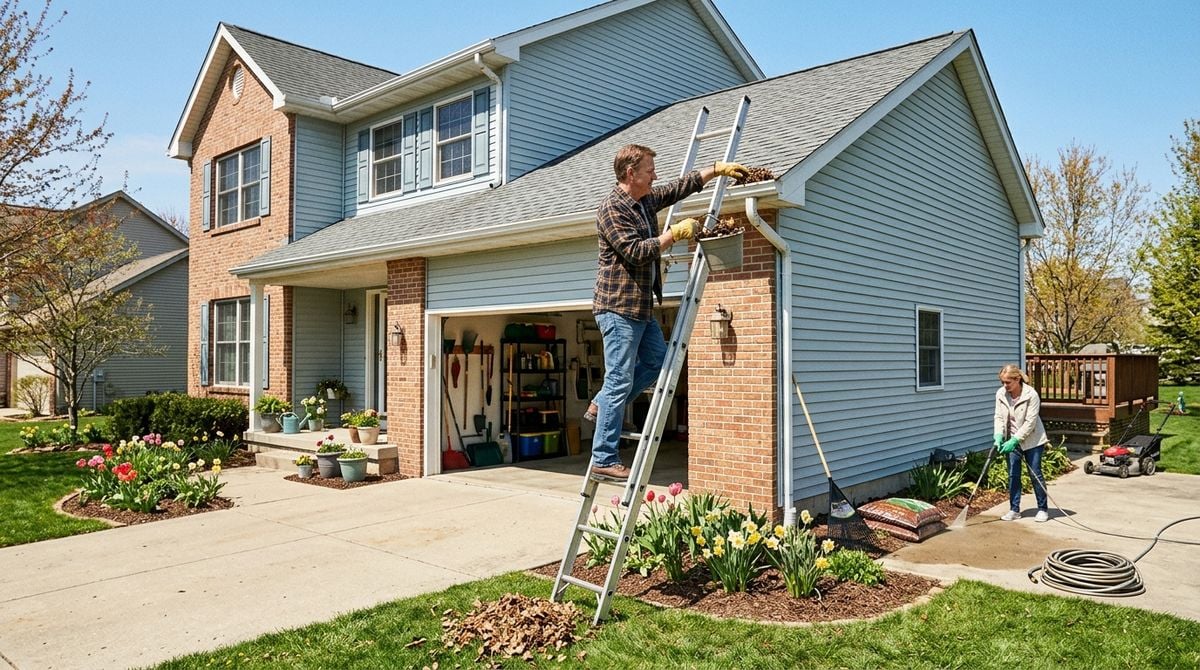
Spring is a good time for a deep clean. Wash windows and window frames, clean the inside of cupboards and wipe down the oven and fridge. Look for signs of damp, such as dark patches on walls or a musty smell, and report anything suspicious early. Open windows regularly to allow fresh air to circulate, especially after cooking or showering. Clearing gutters and outside drains where access is permitted can also prevent water problems later in the year.
Check the seals around windows and doors as well. Worn seals let in draughts and can raise heating costs. If a seal is damaged, tell the landlord, because some repairs are their responsibility. Keep a note of any reported faults and the date they were raised, as this helps if a repair is delayed.
- Test smoke and carbon monoxide alarms each season
- Clean behind and under large appliances where it is safe to do so
- Check for damp, mold or condensation and report it promptly
- Keep gutters and drains clear of leaves and debris where access is allowed
- Look over the boiler and heating controls before the colder months
- Keep a written log of every fault report and reply
Summer: manage heat and pests
Summer brings its own challenges. Rooms can become hot and stuffy, so use blinds or curtains to block strong sun during the day and open windows in the evening when the air is cooler. Keep food stored in sealed containers to discourage insects, and clear crumbs and standing water promptly. If pests appear, report them quickly to the landlord, since many tenancies include pest control as a shared responsibility. Prompt action usually costs less than waiting for a problem to spread.
Autumn: prepare for colder weather
Autumn is the moment to prepare the home for winter. Check the heating system and make sure thermostats work properly. Bleed radiators if they feel cold at the top, and report any leaks or noises that may suggest a fault. Seal draughts around doors and windows with simple strips, and fit draught excluders where they are needed. Readers may also want to visit technolik.com.
Clear out the loft or storage space if it is used, and check that water pipes are insulated in cold areas. A small amount of attention now can prevent frozen pipes and damage later in the season. Keep a note of any work done, so that the record is complete when the tenancy ends.
Winter: keep the home safe and dry
Winter brings the risk of damp and condensation, especially when the heating is on but windows stay closed. Wipe away condensation on windows each morning, open a window briefly to let moist air escape and avoid drying wet laundry on radiators. Keep the heating at a steady level rather than switching it on and off sharply. If a pipe freezes or a leak appears, turn off the water supply where possible and contact the landlord or an emergency plumber straight away.
Winter is also a time to check that outside lights and entry points are working safely. Report any broken locks or loose handrails promptly. You can also visit hostistry.com for more reading.
At the end of the year, repeat the condition check and compare it with the notes taken at the start. Record any changes, any repairs completed and any reports still waiting for action. Keep copies of correspondence and receipts for anything paid. This review gives a clear picture of the home and makes it easier to raise concerns early. For a related read on this site, see Cleaning With Basic Ingredients: A Practical Guide for.
A rented home stays in good shape through steady attention rather than heroic effort. Check it at the start of the year, follow the seasons with simple tasks, report faults promptly and keep a clear record. These habits protect the home, keep daily life comfortable and make the end of a tenancy far less stressful for everyone involved.