
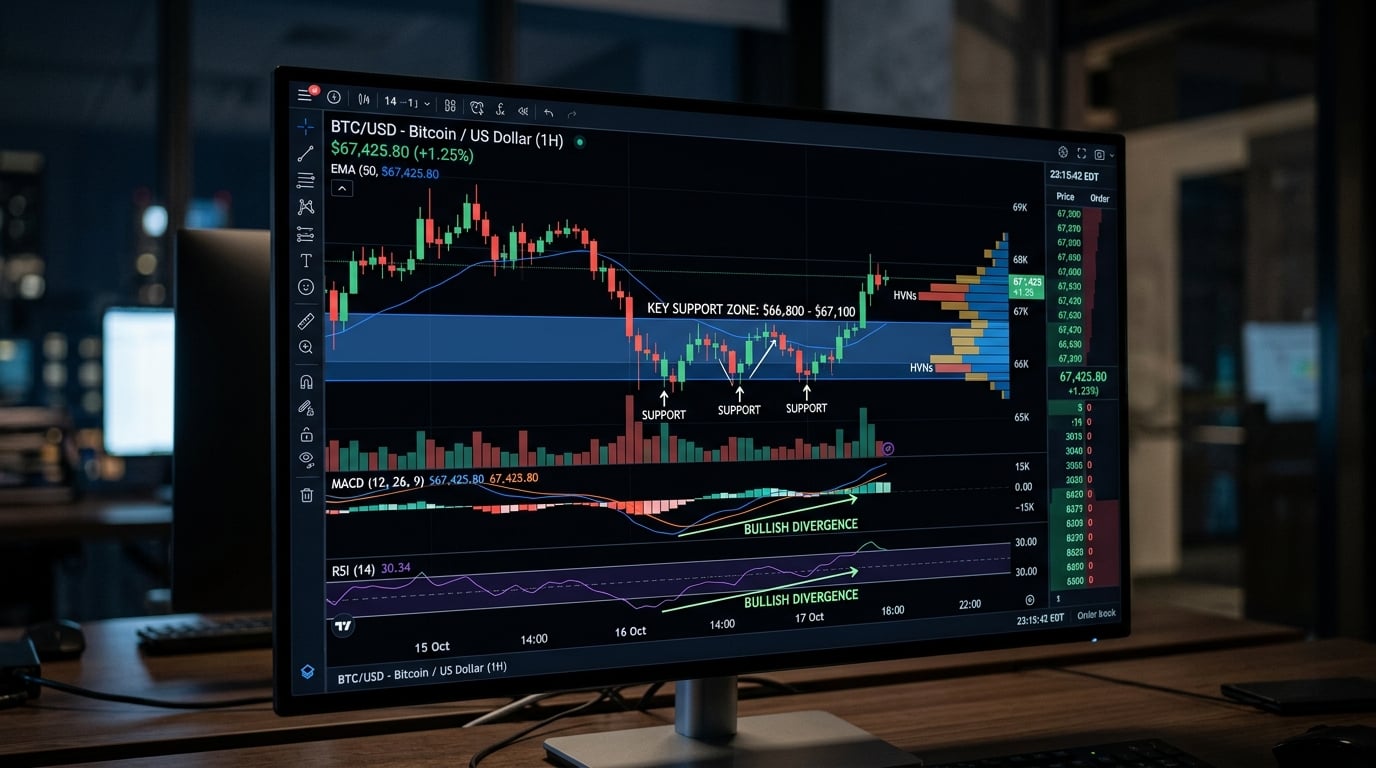
High-end living has evolved beyond lavish entertaining areas and expansive spa bathrooms. Today, discerning homeowners increasingly demand personal spaces tailored to rigorous intellectual pursuits, quiet decision-making, and financial independence. A dedicated home trading suite combines executive comfort with professional-grade functionality, giving active individuals a peaceful command center to monitor global markets without leaving home.
Creating this type of specialized room requires more than setting a desk in a corner. It involves deliberate planning around acoustic balance, technological stability, visual ergonomics, and mental wellness. Whether you manage your own investment portfolio or explore fast-moving currency trading, your physical environment directly shapes your daily focus and composure.
Whether you are tracking foreign exchange movements across international time zones or overseeing long-term family assets, your workspace directly impacts your performance. A well-designed environment minimizes friction, keeps stress levels manageable, and allows you to process complex information with steady clarity.
Selecting the Optimal Space for Focus and Tranquility
The foundation of any successful home trading room is its location within the floor plan. Fast-paced financial analysis requires sustained concentration, making high-traffic areas near kitchens or living rooms unsuitable. An ideal space sits away from the central household rhythm, such as a converted upper-floor guest suite, a secluded garden-facing wing, or a finished basement with adequate ceiling height.
Acoustic insulation plays an essential role in keeping external noise out and market audio contained. Installing solid-core interior doors, dense area rugs, and sound-dampening drapery helps mute outdoor chatter and everyday domestic sounds. Proper natural light is equally vital; north-facing or east-facing windows provide gentle, consistent illumination throughout the morning hours without casting blinding reflections across your display monitors.
Ceiling height and room proportions also influence acoustic response. Rooms with standard flat ceilings and textured wall treatments absorb sound waves far more effectively than cavernous multi-level halls with echo-prone surfaces. Paying close attention to wall construction and door seals ensures your early morning calls and audio feeds remain completely private.
When searching for a property that accommodates this lifestyle, understanding how residential layouts support peaceful living is crucial. Prospective buyers often evaluate how room placement, ceiling design, and surrounding grounds foster a sense of security and quiet. Exploring real estate insights on cashbuffalo.org can help you evaluate key property features and architectural elements that promote domestic calm and functional sanctuary living.
Designing an Ergonomic Multi-Screen Command Desk
The centerpiece of your trading sanctuary is the workstation. Active market analysis frequently demands viewing price charts, news feeds, and execution screens simultaneously. A heavy-duty sit-to-stand desk crafted from solid hardwood or brushed metal offers both aesthetic elegance and the flexibility to adjust your posture during extended market sessions.
Cable management is critical in maintaining visual order. Bundling cords inside concealed raceways or routing them through integrated desktop grommets keeps the visual field uncluttered. Pair your desk with an ergonomic chair featuring adjustable lumbar support and breathable fabric. When your body is comfortable, your mind remains alert and patient, preventing fatigue from clouding your strategic judgment.
Adapting historic spaces or traditional estates to support modern hardware requires thoughtful integration. You do not need to tear out classic architecture to create a state-of-the-art office. For inspiration on preserving vintage character while updating interior functionality on sensible terms, see our guide on restoring an inherited estate on a budget for ideas on blending classic woodwork with clean modern utility.
Integrating Reliable Power and Hardware Infrastructure
A professional home trading desk demands dependable technical infrastructure. Market volatility does not wait for a router reboot or a sudden power outage. Setting up redundant systems ensures that your open positions and live connections remain stable through unexpected local interruptions.
Dedicated electrical circuits prevent circuit overloads caused by multiple screens and tower computers. Furthermore, adequate climate control prevents high-performance equipment from heating the room to uncomfortable levels. Silent fans and dedicated ductless cooling systems keep the workspace fresh and cool without generating distracting mechanical hums.
Consider incorporating these core hardware elements into your room design:
- An uninterruptible power supply battery to keep screens and terminals running during brief outages.
- A secondary internet backup connection, such as a cellular hotspot router, for instant redundancy.
- Adjustable monitor arms that let you customize viewing angles and eliminate neck strain.
- Dimmable bias backlighting placed behind displays to reduce eye fatigue during early morning hours.
Balancing Financial Preparation and Market Education
Designing a luxury trading space is exciting, but physical surroundings are only part of the equation. Operating effectively from a private suite demands strict personal financial discipline, robust credit health, and a clear understanding of market risks. Navigating fast-moving arenas like foreign exchange requires structured learning and careful capital allocation.
Before committing substantial personal funds to active currency positions, taking time to learn market fundamentals and sound leverage principles is essential. Dedicated advisory platforms such as credit-cafe offer valuable perspectives on credit planning, currency trade concepts, and foundational financial literacy for individuals looking to build market competence.
Maintaining healthy personal credit and strong banking relationships provides the peace of mind required to make sound decisions without emotional distress. When your personal balance sheet is stable and your core expenses are insulated, you can focus on executing your strategy without panic.
Sound money management also means establishing firm daily boundaries. Successful independent traders treat their home office like a serious executive suite rather than an entertainment lounge. Establishing predetermined risk parameters and keeping detailed trade journals will help you stay grounded, regardless of daily market swings.
Cultivating Mental Clarity in Your Daily Routine
A true sanctuary supports both professional focus and personal peace. When your office sits inside your home, the line between work and rest can easily blur. Designing intentional physical cues helps you transition smoothly between market hours and evening relaxation.
Lighting color temperature can also assist your daily circadian rhythm. Crisp cool light during active morning trading sessions enhances focus, while warmer ambient tones in the late afternoon help ease the shift toward leisure time.
Incorporate a small reading corner with a comfortable lounge chair and a shelf for analytical books away from your screens. Adding living greenery, such as leafy plants that thrive in indirect indoor light, introduces natural tranquility and softens the presence of electronic hardware. When the trading day ends, powering down monitors and closing the door signals your brain that it is time to reconnect with family and recharge.
Transforming a room into an executive trading suite is an empowering home improvement project that combines refined aesthetics with high-performance utility. By prioritizing acoustic peace, reliable hardware, ergonomic comfort, and disciplined routines, you create a private retreat where strategy and domestic harmony coexist effortlessly.