
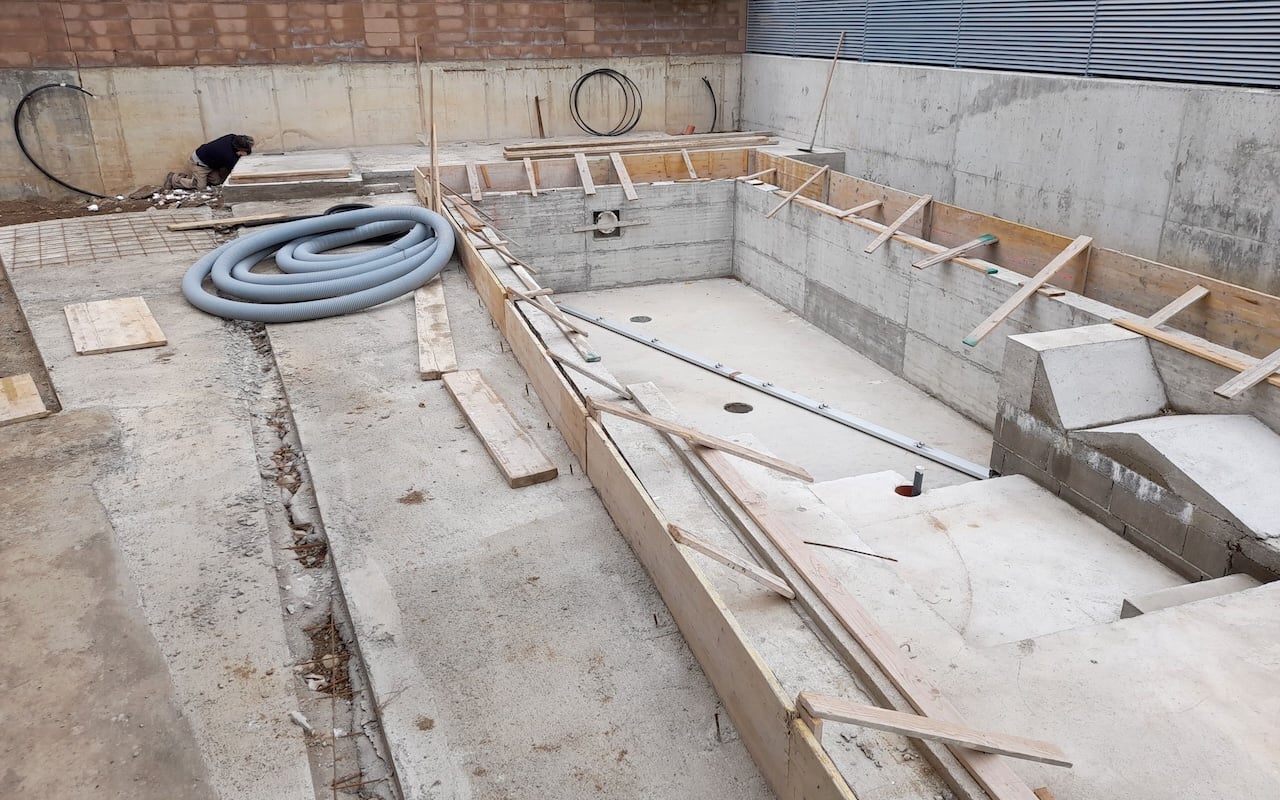
Picture the beautiful and sunny Saturday afternoon floating in your own backyard pool. This is a dream many homeowners share, but the price tag is often a mystery. Before you start digging, you need a clear picture of the financial commitment.
Every yard is different, and how you maintain your pool will affect its long-term cost, so we can’t give you a single number. Instead, we’ll break down exactly what affects the price so you can plan confidently. Here’s a realistic look at what goes into the cost of building a new pool.
Average Cost Range for Building a Pool
Generally, you can expect to pay anywhere from a modest amount for a simple setup to six figures for a luxury custom build. Here is a general breakdown by type:
- Above-Ground Pools: The most budget-friendly option, perfect for quick installation.
- Vinyl Liner Pools: A great mid-range choice that offers smooth surfaces.
- Fiberglass Pools: These have a moderate to high initial cost but offer lower long-term maintenance.
- Concrete/Gunite Pools: This premium option allows for fully custom designs and durability.
Cost Factors That Have the Biggest Impact
While the material you choose sets the baseline, the specifics of your yard play a huge role in the final quote. A massive, deep pool naturally requires more excavation and materials than a plunge pool. If you want a custom freeform shape with complex curves, labor costs will rise compared to a standard rectangle.
How will you need to maintain your pool? If you want something low maintenance, expect to pay a little more upfront for features like a built-in automatic cleaning system.
Your backyard’s geography is another major variable that changes the price. If your property is on a steep hill, has rocky soil, or is difficult for heavy machinery to access, site preparation becomes more expensive. Simple, flat lots are always cheaper to build on than those requiring retaining walls or special engineering.
Materials & Construction Costs
Every phase of construction adds to the total, from the first scoop of dirt to the final tile. Understanding these stages helps you see where your money is going.
Excavation and Structure
This is the heavy lifting of the project. Digging the hole and installing the shell (whether concrete, vinyl, or fiberglass) usually consumes the largest portion of your budget.
Interior Finish and Decking
The “look” costs money. Standard plaster is affordable, but pebble finishes or glass beads cost more. Don’t forget the patio space around the water, which is essential for lounging and entertaining.
Plumbing and Electrical
Behind the scenes, you need secure plumbing and safe electrical setups. This ensures the water flows correctly and the lights turn on safely, which requires skilled labor.
Must-Have Equipment & Features
A pool is a machine that needs the right gears to run smoothly. While you can skip some bells and whistles, certain equipment is non-negotiable for sanitation and comfort.
- Pool Pump and Filtration System: The heart of the pool that keeps water clean.
- Pool Heater: Essential if you want to extend your swimming season into cooler months.
- Automatic Cleaners: A worthwhile investment that saves you hours of Googling how to maintain a pool.
- Lighting: LED lights are necessary for night swims and creating ambiance.
- Waterline Tile: Adds a finished look and protects the pool edge from staining.
Permits, Codes & Other Hidden Expenses
Many homeowners get blindsided by costs that have nothing to do with the water itself. You will almost certainly need to pay for local building permits and inspections to ensure your project is legal and safe. Sometimes, older homes need utility upgrades, like a new electrical panel, to handle the pool equipment load, depending on how you maintain your pool.
There’s also insurance and soil testing. If your ground is unstable, you might need a soil engineer, which is an extra fee. And don’t forget to call your home insurance provider early; adding a pool often changes your premium. Planning for these “boring” costs early prevents sticker shock later.
How to Manage or Reduce Overall Costs
If the total estimate makes you sweat, don’t panic. There are strategic ways to bring the price down without sacrificing the quality of your build.
Choose a Simpler Design
Stick to classic shapes. Rectangular pools are easier to build and often look just as elegant as complex curves. Avoiding custom water features can also save a bundle.
Phase Your Upgrades
You don’t need the outdoor kitchen right now. Build the pool first, then add the landscaping, fancy patio furniture, or pergola next year when your budget replenishes.
Start Your Backyard Transformation With Outdoor Living
Building a pool is a significant investment, but the memories you create with family and friends are priceless. The best way to get an accurate number is to speak with a professional who can examine your backyard.
At Outdoor Living Pool & Patio, we help homeowners navigate these choices every day. Contact us for a free consultation, and let’s design a pool that fits your lifestyle and your budget.