
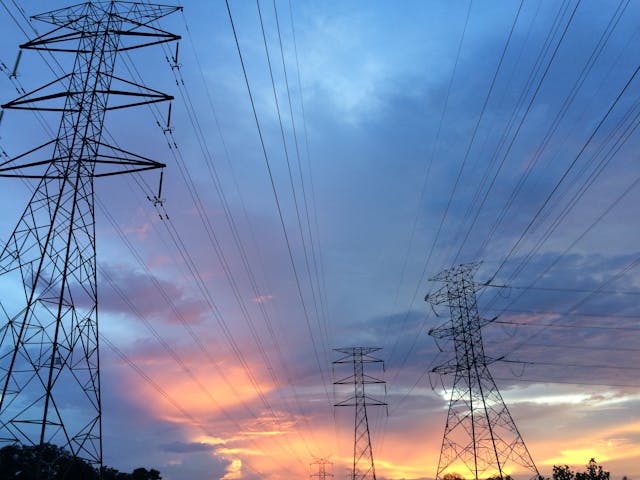
Power demand is an important consideration for the United States moving forward. Energy consumption continues to rise, putting strain on the country’s electrical infrastructure. The United States will need to make improvements to its power production if it wants to ensure streamlined energy supply.
In 2023, the United States used 4,049 terawatt hours of power. However, in 2050, the United States will need a minimum of 5,178 terawatt hours of electricity to meet demand.
Currently, the country is not prepared to meet such high demand. The United States has an aging power grid, making it inefficient and prone to failures. In fact, roughly 55% of residential transformers are nearing end of life. Additionally, very few of the nation’s substations are staffed, which leaves these key stations vulnerable to threats.
Unfortunately, improving this infrastructure is easier said than done. The United States electrical grid travels across over 470,000 miles, making replacements time-consuming and expensive. Additionally, interconnection queues are long, meaning that 80% of queued projects get withdrawn due to delays and costs.
With this in mind, the United States is turning to new forms of energy. In fact, the government aims to greatly expand its nuclear energy production. Another important focus will be on speeding up interconnection queues; doing so could instantly double the nation’s existing power plants.
Following the rapid increase in power demand, the United States has work to do to keep up. With the help of alternative energy sources and improved infrastructure, the United States is striving to meet demand.

Source: ELSCO