
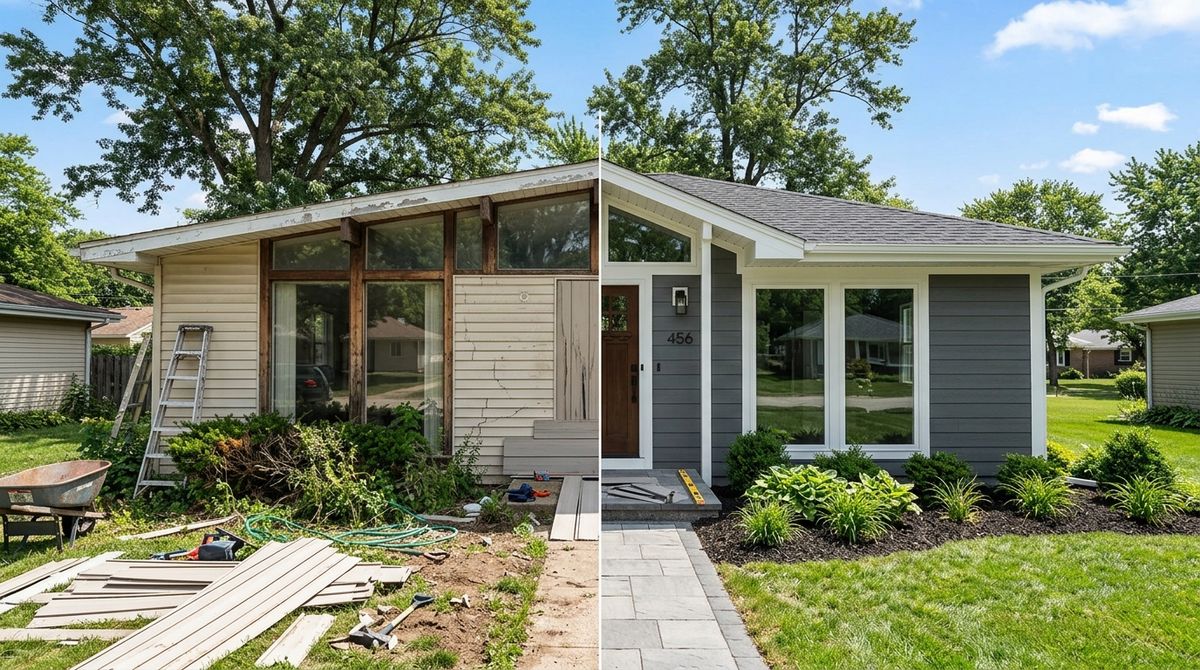
Hiring a contractor to remodel a bathroom, replace an aging roof, build a backyard deck, or upgrade kitchen cabinetry represents one of the largest household investments many families ever make. Yet enthusiastic homeowners frequently rush into projects based on handshake promises, vague one-line text estimates, or informal verbal timelines—only to face unexpected cost overruns, stalled schedules, and stressful disputes halfway through construction. Taking time to understand and sign a clear, plain-language home improvement contract protects both your household budget and your peace of mind.
For homeowners planning their first renovation project, reading construction agreements does not require legal expertise. Knowing which core details belong in writing—from exact material specifications and milestone payment schedules to permit responsibilities and change-order rules—prevents misunderstandings before a single hammer swings. Whenever major structural additions or complex disputes arise, consulting a qualified local construction or real estate attorney provides valuable tailored protection.
Specifying Exact Scope of Work, Materials, and Timelines
A trustworthy contractor agreement spells out every task in concrete detail rather than relying on broad phrases like “remodel kitchen” or “install new flooring.” Listing exact brand models, tile grades, paint finishes, fixture counts, and debris haul-away duties ensures both homeowner and builder picture the exact same finished room. Clarifying who purchases appliances, light fixtures, and hardware prevents awkward delays when installation day arrives.
Including realistic estimated start and completion dates—alongside clear expectations for how weather delays or backordered materials are communicated—keeps schedules grounded in reality. Readers may also want to visit ohitsjustperfect.com.
Keeping a single shared binder or digital folder containing product cut-sheets, paint color codes, and signed plans eliminates guesswork on the job site.
Structuring Safe Milestone Payments and Lien Waivers
Never pay the entire cost of a major home renovation upfront before work begins, and avoid large cash payments lacking paper receipts. Standard residential agreements tie modest progress payments directly to verified physical milestones—such as a reasonable initial deposit to order custom materials, followed by scheduled draws after framing, rough-in plumbing inspections, drywall completion, and final walkthrough punch-list sign-off. Holding back a final completion payment until every cabinet door adjusts cleanly and debris is swept away keeps incentives aligned fairly.
Understanding basic mechanic’s lien protection is equally important for homeowners: if a general contractor fails to pay lumber yards or plumbing subcontractors, unpaid suppliers can sometimes place a legal claim against your property even if you already paid the general contractor. Requesting signed lien waivers from major subcontractors as each milestone payment clears protects your home title completely. You can also visit bbcnewspoint.com for more reading.
Checking that your contractor carries active state registration, general liability insurance, and workers’ compensation coverage before signing protects you from accidental property damage or on-site worker injuries.
Managing Inevitable Surprises Through Written Change Orders
Opening up walls in older homes occasionally uncovers hidden surprises like outdated wiring, corroded pipes, or subtle subfloor water damage that nobody could spot during initial walk-throughs. Handling mid-project discoveries or homeowner design tweaks smoothly requires a written change order signed by both parties before extra work proceeds. Each change order should describe the added task clearly, state the exact price adjustment, and note any added days on the schedule.
Avoiding informal hallway approvals keeps cumulative costs transparent so final invoices never shock you. For a related read on this site, see A Pre Visit Prep and Home Readiness Checklist.
* Obtain at least three itemized written bids from reputable local contractors so you can compare scope and craftsmanship fairly.
* Establish clear daily work hours, bathroom access, pet containment rules, and dust-barrier expectations before crew arrival.
* Conduct a thorough final walkthrough in bright daylight with sticky notes to mark minor paint touch-ups before releasing final payment.
Communicating Calmly Throughout Construction
Living through a home remodel tests everyone’s patience with dust, noise, and temporary kitchen or bathroom detours. Scheduling a brief ten-minute weekly check-in with your lead contractor keeps questions organized, resolves minor alignment tweaks early, and maintains mutual respect throughout the project.
Clear documentation paired with steady communication turns complex renovations into rewarding home upgrades.
Building Peace of Mind Into Every Project
A well-written contractor agreement protects honest homeowners and conscientious builders alike by putting shared expectations down on paper before work starts. Specifying exact materials, tying payments to real milestones, and documenting mid-project changes in writing keep renovations predictable and stress-free.
Take time to review every line carefully, verify insurance certificates, and enjoy watching your home improve smoothly and safely.