
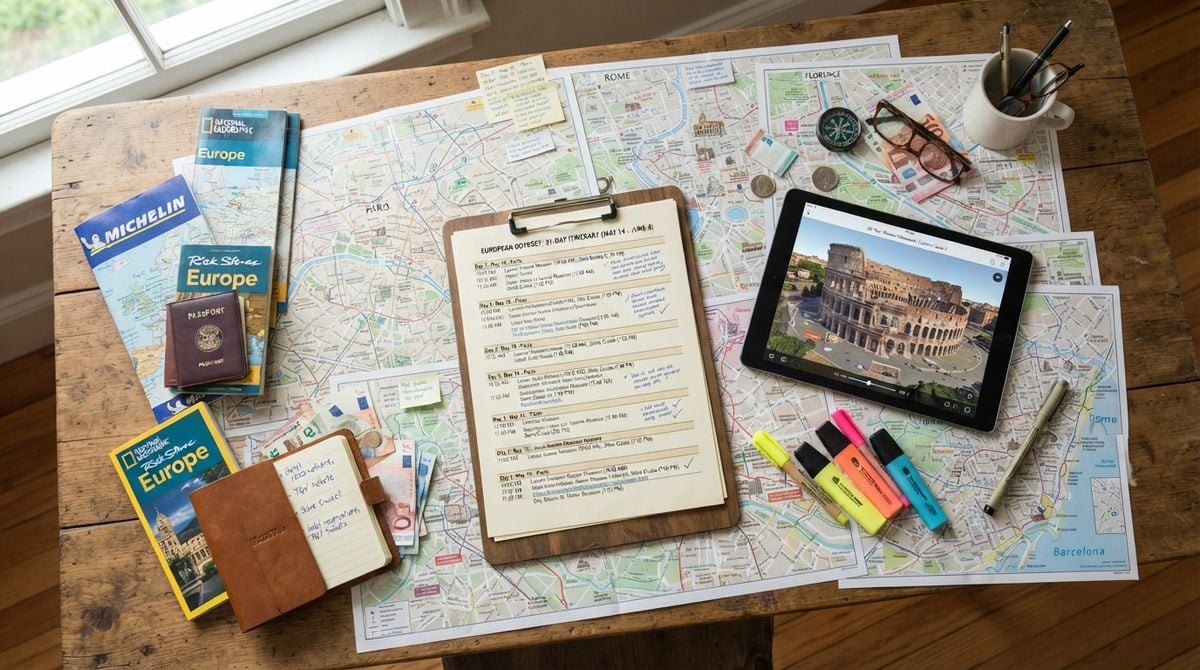
Travel often begins long before anyone packs a suitcase or boards a departure flight. The anticipation of unfamiliar terrain, regional architecture, and quiet secondary roads generates a creative energy that can transform how we interact with our living spaces. Carving out a dedicated travel-planning library and map room establishes a calm, organized sanctuary where route research, archival storage, and quiet contemplation come together. When shaped with intentional surfaces and functional shelving, such a space becomes both a personal retreat and a practical operational base for upcoming journeys.
Many households scatter travel materials across dining tables, bedside drawers, and digital folders. Guidebooks sit wedged into general bookcases, folded city maps tear along fragile creases inside duffel bags, and paper keepsakes disappear into random utility bins. Bringing these varied items into a single, cohesive room restores clarity to your travel preparations. It also turns geographic exploration into an everyday lifestyle element rather than a hurried chore completed the night before departure.
Designating a Dedicated Surface for Route Mapping and Research
The cornerstone of any functional map room is an expansive, flat work surface. Traditional writing desks frequently prove too narrow when you attempt to unfold full-sheet topographical charts or spread out several regional itineraries side by side. A sturdy library table, an architect drafting desk, or a wide dining table repurposed for study allows you to examine large-format cartography without bending borders or risking accidental tears. Keeping this surface clear ensures that whenever inspiration strikes, you have an immediate workspace ready for exploration.
Lighting plays an equally decisive role in how comfortably you can study fine print, contour elevations, and transit connections. Overhead ambient illumination should be paired with an adjustable task lamp that casts even, warm light across your documents without producing harsh glare. If the room receives natural daylight, position your primary work table perpendicular to the window. This arrangement provides ample working light while preventing direct sun exposure from fading delicate inks over extended periods.
Much like creating a quiet sanctuary when designing a relaxing resort-inspired bedroom suite, curating a thoughtful travel library requires paying close attention to seating ergonomics and physical comfort. A supportive armchair or upholstered swivel chair invites you to linger over route notes, read regional histories, and plan complex transfer days without physical fatigue. When your surroundings encourage relaxation, trip planning feels like a restorative leisure activity rather than administrative work.
Organizing Guides, Itineraries, and Field Notes for Easy Access
A travel collection quickly grows unruly without a logical filing methodology. While standard home libraries often rely on alphabetical author arrangements, a travel-planning library functions best when organized geographically. Grouping reference volumes by continent, country, and regional territory allows you to pull all relevant materials together when drafting an itinerary. Use sturdy bookends to support oversized field guides, architectural monographs, and neighborhood walking directories so they remain upright and orderly.
Alongside commercial guidebooks, maintain dedicated binders or archival file folders for logistical documentation, lodging confirmations, and transit schedules. When assembling route notes and destination guidelines, consult specialized travel authorities such as bamboocompass.com to ensure your field notes remain anchored in practical travel wisdom and safe navigation. Incorporating verified routing advice early in your drafting process prevents unexpected delays once you arrive on location.
Incorporate shallow document trays or clear sleeve folders for active journeys currently in development. Dividing active planning materials into clear stages—such as initial route ideas, transit transfers, and confirmed bookings—keeps pending paperwork visible without creating desktop clutter. Once an expedition concludes, review the file, discard outdated brochures, and archive only the most valuable notes or hand-drawn trail sketches for future reference.
Displaying Cartography and Reference Atlases with Purpose
Maps are both precise navigation tools and captivating works of graphic design. Instead of hiding your most meaningful maps inside drawers, consider framing high-relief topographical prints or vintage maritime charts behind non-glare, protective glass. Wall-mounted corkboards or linen pinboards also provide a versatile background where you can tack temporary route maps, train schedules, and postcards from recent outings using fine brass pins.
In addition to wall displays, allocate a horizontal shelf or an open bookstand specifically for oversized world atlases. Browsing global cartography regularly expands geographic literacy and offers an immediate perspective on unfamiliar mountain ranges, river valleys, and coastal margins. For readers seeking deeper insights into international geographies and cultural landscapes, visiting worldatlasbook.com can inspire fresh curiosity about distant destinations and broaden your domestic collection of geographic references.
A practical setup benefits from dedicated storage pieces that keep physical cartography in sound condition:
- Shallow flat-file drawers to protect folded maps and prints from creasing.
- Acid-free archival tissue paper placed between antique sheets to prevent ink transfer.
- Sturdy vertical display stands to hold heavy reference atlases open without straining bindings.
- Weighted leather or brass map weights that hold rolling sheets flat during route sketching.
Managing your cartography with these physical safeguards protects fragile paper stocks from premature wear and edge fraying. When your charts remain flat and organized, pulling them out to trace a coastline or locate a mountain pass becomes a seamless, tactile ritual that enriches every planning session.
Preserving Mementos, Travel Journals, and Curated Artifacts
A travel room should never feel like a cold commercial filing office; it ought to reflect personal encounters with the wider world. Integrating souvenirs into your library shelving adds warmth, texture, and storytelling to the architecture of the room. Hand-thrown ceramics, carved wooden figures, woven textile fragments, and smooth river stones can act as distinctive paperweights or decorative shelf accents nestled between regional volumes.
Keep personal travel journals and sketchbook logs easily accessible alongside corresponding reference materials. Archival slipcases or cloth-bound boxes provide an elegant way to store handwritten field diaries, boarding passes, pressed botanicals, and museum ticket stubs. By labeling each box with the destination and season of your visit, you create an indexed archive that household members can enjoy browsing for many years.
Lighting these collected treasures with directional spotlights or shelf-mounted strip lights highlights natural textures and brings depth to the bookcases. Rotating displayed artifacts periodically prevents visual clutter and allows different memories to take center stage throughout the year, keeping the room feeling refreshed and dynamic.
Establishing a Habit of Regular Review and Itinerary Refresh
A well-appointed map room thrives when it is used routinely rather than treated as a static showroom. Set aside quiet afternoons to update your travel records, replace depleted packing supplies, and file away stray notes from recent weekend excursions. Clearing away temporary clutter ensures the room remains an inspiring haven that welcomes spontaneous planning sessions whenever travel curiosity strikes.
Organizing luggage accessories, electrical adapters, and travel gear within dedicated lower cabinets further supports smooth departures. When your gear has a permanent home right alongside your research materials, packing transforms from a stressful scramble into a structured, deliberate routine. You can assemble your packing cubes, double-check equipment lists, and review route details in one unified, peaceful environment.
As your journeys evolve over time, your library will reflect the unfolding story of your curiosities and wanderings. By maintaining a clean layout, preserving fragile cartographic treasures, and combining practical logistics with artistic displays, your travel planning hub will remain a vibrant, grounding center of your home life.