
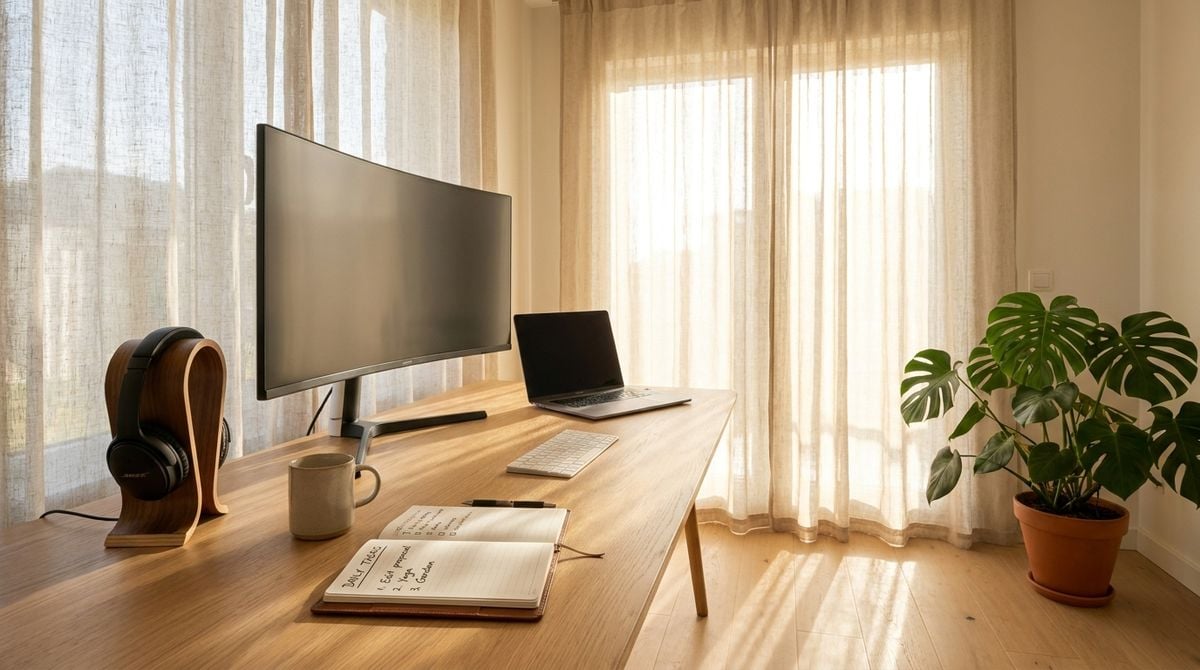
Operating an international enterprise from a residence requires far more than an attractive writing desk and a laptop stand. When your workday crosses borders, you must manage disparate time zones, late-night client negotiations, and continuous streams of foreign market developments. If your residential setup does not account for these real-world demands, operational friction quickly spills into everyday family life.
A well-planned home workspace should insulate the rest of your household from irregular working hours while giving you a calm environment to analyze commercial opportunities. By arranging room zoning, acoustic barriers, and visual organization with intention, you can run overseas ventures smoothly without turning your private living environment into a chaotic transit lounge.
Establishing Physical Zones for Asynchronous Communication
When dealing with business partners across several continents, real-time collaboration often happens during domestic quiet hours. Setting up your primary desk near high-traffic family areas creates inevitable friction and interruptions. Instead, look for underutilized spaces located away from bedrooms and main living areas, such as a finished lower-level alcove, an enclosed breezeway, or an attached garden room.
Having a distinct physical threshold lets you enter work mode without disturbing sleeping household members. It also prevents family members from accidentally wandering into confidential overseas video meetings. While standard corporate workstations prioritize general team oversight, cross-border commerce requires dedicated zones for video communication, private negotiation, and deep document review. Readers who have explored our guide on building an executive home office understand the value of intentional room zoning, yet managing global schedules demands even greater physical isolation from the main residence.
Keep your immediate desk perimeter clear of domestic odds and ends. A dedicated side credenza can hold shipping paperwork, foreign trade documents, and specialized equipment out of sight. When each operational task has an assigned station within the room, transitions between quick status calls and deep commercial reviews feel orderly and deliberate.
Balancing Acoustic Privacy and Domestic Living Flow
Sound travels easily through conventional residential drywall and hollow interior doors. If you must conduct phone conversations during odd hours, sound mitigation protects both your family’s rest and your commercial privacy. You do not need industrial recording booth materials to achieve functional sound control. Simple, high-density additions can absorb spoken voice frequencies effectively throughout the room.
Start with the entryway door. Replacing a standard hollow interior door with a solid-core wood slab blocks substantial sound transfer along hallways. Adding perimeter silicone gaskets around the frame and a drop-seal threshold at the bottom prevents voice leaks into adjacent living quarters. Soft furnishings such as thick wool rugs with dense felt pads, lined draperies, and floor-to-ceiling bookshelves filled with books also absorb sound reverberations inside the room.
Acoustic treatment should support clear communication without making the room feel sterile. Incorporating natural wood wall paneling, upholstered seating, and fabric-wrapped notice boards creates a warm aesthetic while maintaining speech privacy during confidential discussions. By treating sound absorption as an architectural finish, you retain the refined comfort expected of a quality residence.
Equipping a Clean Information Desk for Market Tracking
Global operations generate a substantial volume of raw information. Between monitoring foreign currency shifts, tracking supply logistics, and following regional economic policies, visual clutter can quickly induce mental fatigue. A productive home setup organizes information delivery so that you stay informed without feeling overwhelmed by constant visual stimulation.
Position your visual display monitors away from direct outdoor window glare to prevent eye strain during dawn or dusk work sessions. If your business depends on rapid market updates, designate a single secondary display solely for live news and trade reports rather than keeping multiple tabs open across your primary workspace. Staying informed through dependable sources such as businessnewsinc.com provides timely context on international market movements and broader financial trends, letting you make sound commercial decisions based on global economic conditions.
Cable management plays a major role in sustaining daily focus. Mount power strips and network hardware to the underside of your work surface rather than letting cords pool across baseboards. A clean floor plane reinforces a calm, executive atmosphere that helps you concentrate during intense commercial cycles.
Practical Steps for a Flexible Global Workstation
Creating a space that accommodates changing international schedules requires a few straightforward adjustments to your physical layout:
- Install adjustable multi-layer task lighting to match shifting daylight hours without straining your eyes.
- Place international clocks or a multi-zone digital dashboard within your peripheral vision to track partner schedules.
- Position your desk perpendicular to natural light sources to avoid sharp screen reflections during sunrise or sunset.
- Select breathable ergonomic seating that supports physical comfort during extended asynchronous planning sessions.
- Incorporate closed modular cabinetry to keep sensitive import documents and overseas correspondence neatly filed.
Managing Light and Circadian Rhythms Across Time Zones
One of the hidden difficulties of running cross-border ventures from a residence is circadian disruption. Taking calls before dawn or negotiating contracts late into the evening confuses your natural biological clock. If your lighting is either harsh and clinical or dim and yellow, your energy levels and concentration suffer throughout the day.
Use layered illumination that you can adjust depending on the time of day and the region you are collaborating with. For daytime focus, cool indirect light mimics natural daylight and keeps your alertness sharp. For late-evening calls with overseas partners, switch to warm, dimmable accent lamps that provide adequate visibility for your camera without flooding the room in bright blue light that disrupts your subsequent rest.
Motorized blackout shades paired with sheer daytime curtains give you total control over natural exposure. When working early mornings or bright afternoons, you can tailor interior light levels to match your immediate tasks rather than the weather outside. This flexibility makes irregular working schedules feel sustainable over the long term.
Maintaining Household Boundaries While Expanding Operations
Expanding an enterprise into foreign markets is demanding, and the boundary between professional ambition and domestic peace can easily blur. When your office sits inside your home, the temptation to check overseas messages around the clock is constant. Physical cues help you establish when the workday ends and personal life resumes.
End each working day with a deliberate shutdown routine. Close your computer, switch off secondary monitoring screens, and shut the solid-core door behind you. When looking to scale your enterprise into new territories, studying growth concepts on comment-thai.com can give you valuable strategic clarity, helping you streamline commercial expansion without letting work consume every hour of your home life.
A thoughtfully designed home base allows you to participate in global markets with confidence while preserving the serenity of your household. By treating acoustic control, room layout, and daily boundaries as essential architectural elements, you create a private retreat where your overseas enterprise and your personal lifestyle can thrive side by side.