
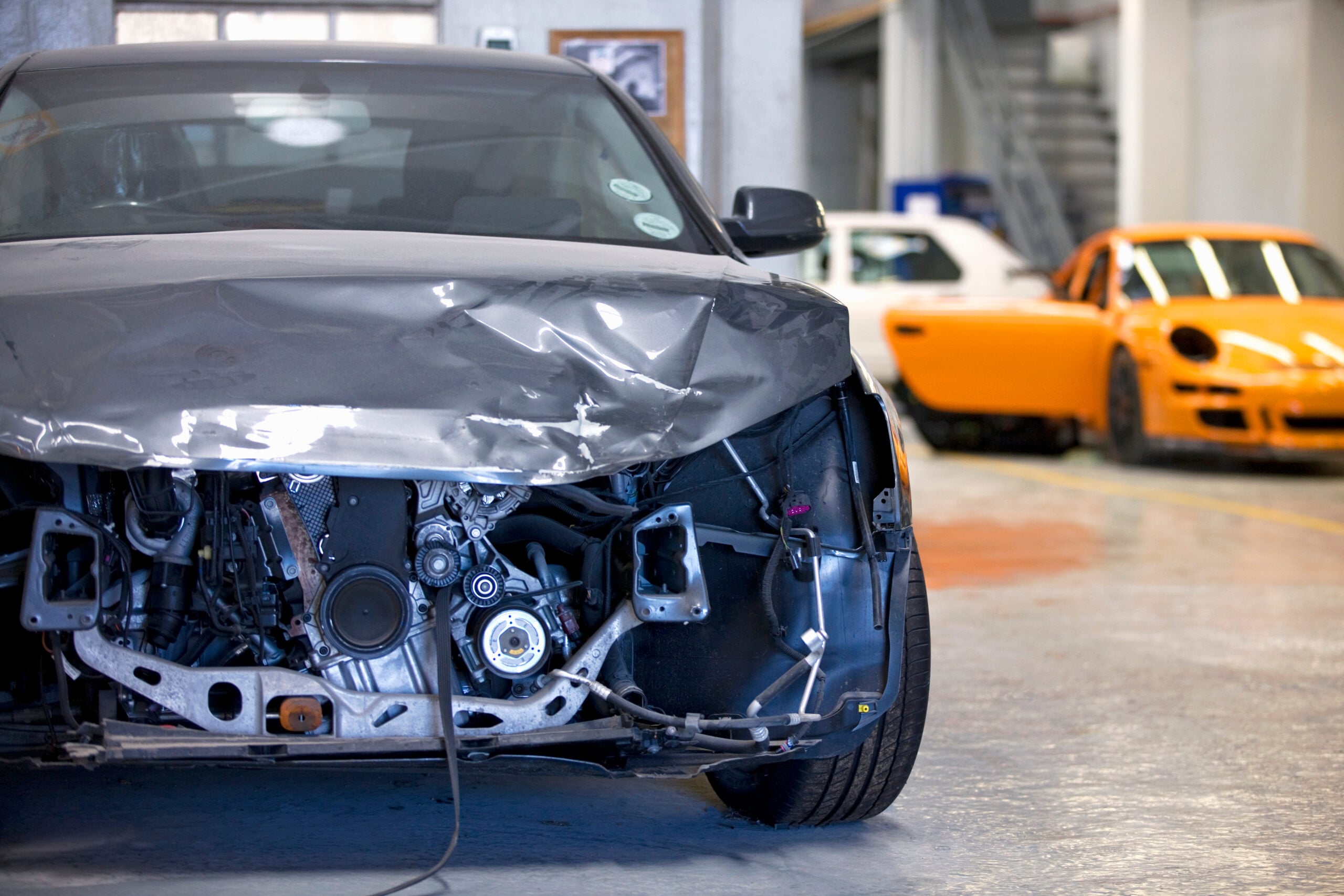
Side impact collisions put your car door through a kind of stress it was never designed to absorb gracefully. Unlike the front and rear of a vehicle, which have crumple zones engineered to compress and dissipate energy, the sides of a car offer far less room to work with. That means when another vehicle strikes you from the side, the force often transfers directly into the door itself and the structural components that support it. Understanding what actually gets damaged in these collisions can help you recognize why a trip to an auto body shop is necessary, even when the damage looks purely cosmetic from the outside.
1. The Door Skin and Outer Panel
The outer panel, often called the door skin, is the part most people notice first. It’s the smooth metal or composite surface that gives your car its exterior look. In a side impact, this panel is usually the first point of contact, and it can crease, dent, or buckle depending on the angle and force of the collision. While a dented door skin might seem like a simple fix, the panel often needs to be fully replaced rather than repaired, especially if the metal has stretched or torn. A technician will assess whether the panel can be pulled back into shape or whether it’s compromised beyond a reasonable repair.
2. The Internal Door Frame and Reinforcement Beams
Hidden beneath the outer skin is the structural backbone of the door: the internal frame and reinforcement beams. These components are designed to resist intrusion into the cabin, protecting passengers during a crash. When a side impact occurs, these beams can bend, crack, or shift out of alignment. This kind of damage isn’t always visible without removing the door panel, which is why a thorough inspection matters so much. A bent reinforcement beam compromises the door’s ability to protect occupants in a future collision, making proper repair or replacement non-negotiable.
3. The Window Mechanism and Glass Track
Car doors house a surprising amount of machinery, including the motor, regulator, and track system that raise and lower the window. A side impact can throw this system out of alignment, causing the window to stick, rattle, or fail to seal properly against the frame. Sometimes the glass itself shatters or cracks under the pressure of the collision, while in other cases the window survives but the track bends just enough to prevent smooth operation. Technicians often need to disassemble the door panel entirely to assess whether the regulator, motor, or track requires replacement.
4. The Door Hinges and Latch Assembly
Hinges and latches might seem like minor hardware, but they play a critical safety role by keeping the door securely attached and closed during normal driving and in the event of another collision. A side impact can knock hinges out of alignment, causing the door to sag, drag against the body panel, or fail to close flush. The latch mechanism can also suffer damage, which sometimes prevents the door from closing properly or, in more serious cases, from staying closed at all. Because a door that doesn’t latch securely poses an obvious safety risk, this is one of the first things technicians check after any side collision.
5. The Door Seals and Weatherstripping
Weatherstripping and seals don’t get much attention until they fail, but they’re essential for keeping water, wind, and road noise out of the cabin. A side impact can tear, compress, or dislodge these seals, even when the surrounding metal seems relatively intact. Damaged weatherstripping often leads to leaks during rain or unusual wind noise at highway speeds, problems that might not show up immediately after the accident. A careful post-collision inspection should always include a check of the seals, since replacing them early prevents more significant interior damage down the road.
Why Professional Inspection Matters
Side impact damage is rarely as simple as it looks. A door might appear only lightly dented while hiding bent reinforcement beams, a misaligned latch, or a cracked window track underneath. Because so many of these components overlap and interact, an experienced auto body shop will typically remove the interior panel to fully evaluate the extent of the damage before recommending repairs. Addressing every affected part, not just the visible dent, ensures the door functions safely and reliably long after the repair is complete. Skipping this step can leave hidden vulnerabilities that compromise both comfort and safety in the future.