
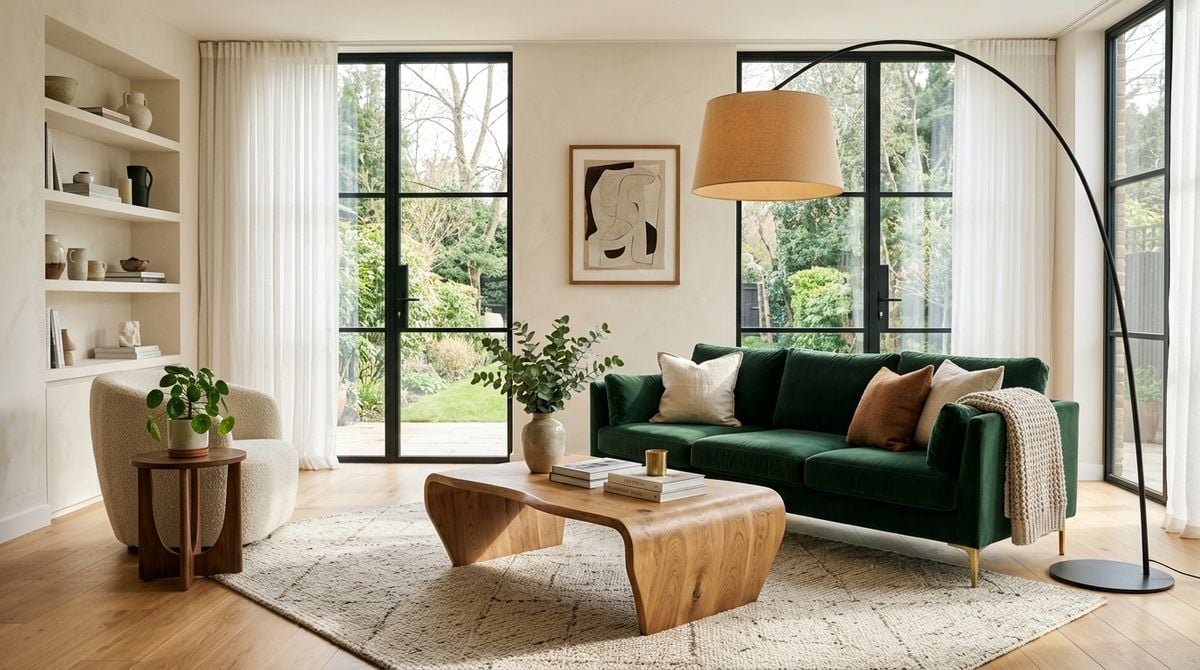
Sunlight changes a room across the day and year. It can create glare, warm a sitting area, fade textiles, and reveal that a favored furniture position is uncomfortable for several hours. A simple exposure check helps you adjust shading and placement before damage or daily annoyance becomes obvious.
Observe from indoors and stay at ground level. Do not lean from windows, climb outside, or alter high fittings without safe equipment and competent help. If glazing becomes unusually hot, a window is damaged, or you are considering applied films or structural shading, consult the relevant manufacturer or a qualified professional.
Map the light over time
Choose a clear day and mark where direct sun reaches in the morning, around midday, and later afternoon. Repeat in another season because the sun’s angle and day length change. Take photographs from the same fixed position, noting the date and time. Avoid photographing private neighboring areas.
Look beyond the brightest patch. Notice reflected glare on screens, concentrated light from mirrors, and heat near glass. Readers may also want to visit America For Purchase.
Check vulnerable areas including:
- curtain edges and folds facing the glass;
- rugs, wood, resilient flooring, and transitions between covered and exposed areas;
- upholstered backs, cushions, artwork, and book spines;
- electronics or instruments close to warm windows;
- plants receiving stronger or longer light than expected;
- seats and work surfaces affected by glare or afternoon heat.
Look for uneven change
Compare covered and uncovered portions of the same material. Move a loose cushion or lift a rug corner briefly to check for color differences, then return it safely. Look for brittleness, warping, drying, or adhesive changes as well as fading. Do not apply cleaners or treatments until you know the material and its care requirements.
Photographs taken under similar lighting can help track gradual changes. Label them by room, surface, and date. You can also visit rea-evolution.com for more reading.
Also note comfort. A reading chair may be pleasant in winter but overheated in summer. A workstation may receive screen glare only during a particular meeting hour. These patterns can often be addressed by timing or layout before buying anything.
Use layered responses
Start with reversible measures. Rotate loose cushions, adjust furniture position, close existing curtains during peak exposure, or change when a task happens. Make sure moved furniture does not block exits, heaters, vents, or safe window access.
If more control is needed, compare blinds, lined curtains, exterior shade, or other appropriate systems with the window provider and installer. For a related read on this site, see How to Build Storage Around Retrieval Instead of. Some films or coverings can affect heat behavior or warranties.
Avoid keeping rooms permanently dark without considering ventilation, wellbeing, and the needs of plants and occupants. The aim is controlled exposure, not total exclusion. Use shading that people can operate easily, and consider cords, reach, children, pets, and emergency egress.
Build a seasonal routine
Add a short sun check to spring and autumn home care. Review the photographs, inspect vulnerable surfaces, and adjust movable furnishings. Clean shading devices according to their instructions so dust does not impair operation.
Include rooms that are used only occasionally. Guest rooms and formal areas may receive strong sun for weeks without anyone noticing discomfort or closing a blind. Put their shading into a normal household round, especially before travel. Where automated controls exist, test them according to instructions and retain a manual, safe way to operate the system if schedules or sensors stop working.
As trees grow, neighboring conditions change, or rooms gain a new purpose, repeat the observation. A nursery, home office, or display area may need different control than the previous use. Record any professional work and keep care information for new materials.
When replacing curtains, rugs, or upholstery, retain a small labeled sample if practical. It can make later fading easier to identify and help a repair professional understand the original color and material. Store the sample away from light and damp rather than in the exposed room. For valuable objects, ask a conservator about monitoring instead of experimenting with sprays, coatings, or unverified treatments.
Sunlight is both an asset and a maintenance factor. Mapping its real path lets you enjoy brightness while protecting surfaces and improving comfort. A few dated observations can guide small, reversible changes and make any later purchase or installation far more informed.