
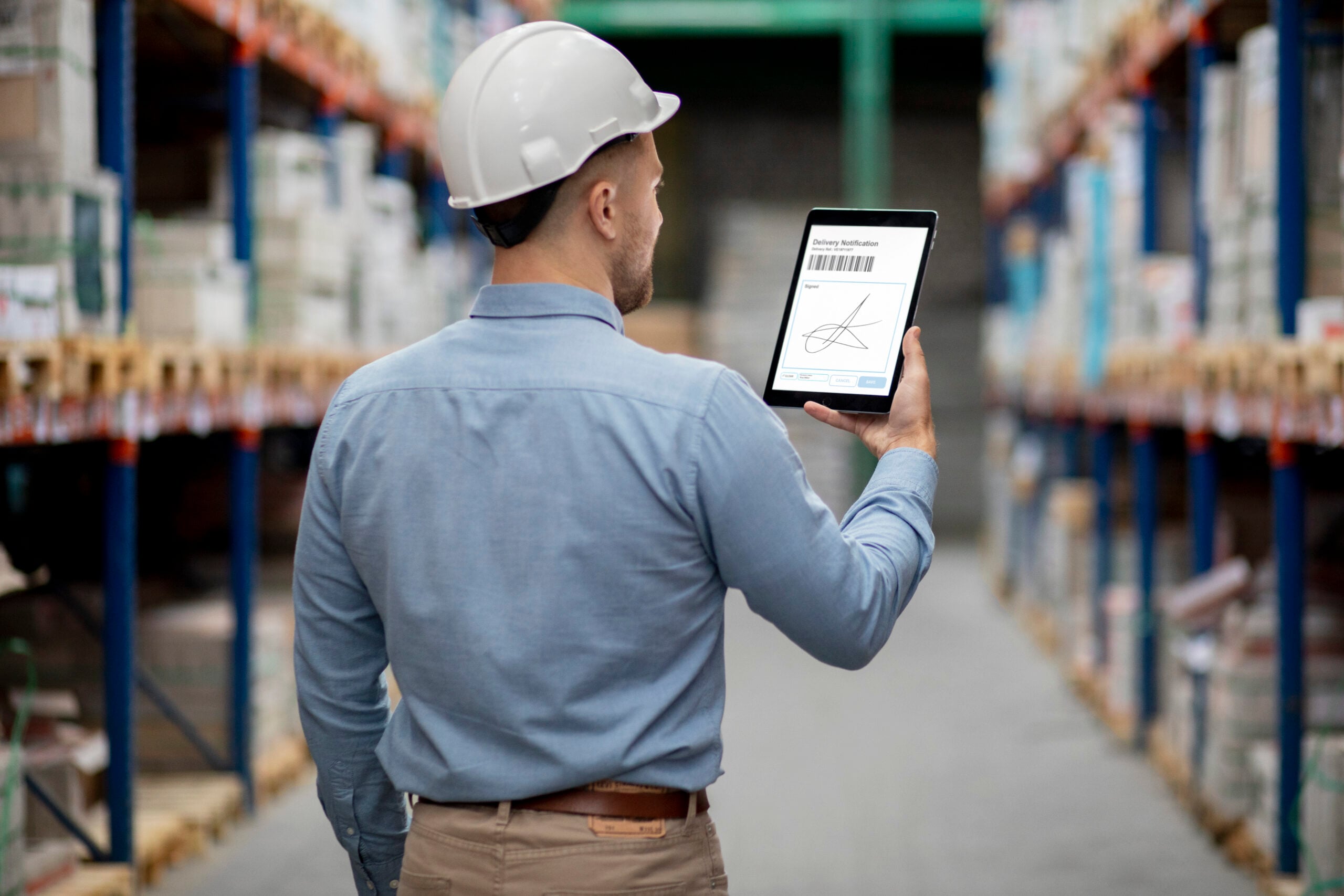
The modern warehouse is a demanding environment where speed and accuracy dictate success. The days of managing inventory with clipboards, paper manifests, and clunky desktop computers are rapidly fading. Today, logistics managers are under immense pressure to fulfill orders faster while simultaneously reducing costly picking errors. To meet these demands, companies are rethinking how their floor workers interact with digital data.
Implementing rugged touchscreen technology on the warehouse floor is one of the most effective ways to streamline operations. By removing the physical barriers between the worker and the inventory management system, these intuitive interfaces significantly reduce training time, improve data accuracy, and keep the product moving. Let’s look at the specific ways integrating these digital displays into your daily workflow can transform your warehouse from a chaotic storage facility into a highly efficient fulfillment center.
Streamlining the Order Picking Process
Order picking is the most labor-intensive process in any fulfillment center. When workers rely on printed pick tickets, they spend a significant amount of time deciphering handwriting, crossing out fulfilled items, and walking back to a central station to receive their next assignment. This old-school method is incredibly slow and highly susceptible to human error.
Mounting rugged touch panels directly onto picking carts or forklifts completely changes this dynamic. A worker can receive a digital pick list instantly, complete with an optimized route through the aisles. The interface clearly displays the item number, the exact bin location, and a visual reference of the product. Once the item is pulled, the worker simply taps the screen to confirm the action, and the inventory system updates in real time. This intuitive digital workflow keeps the picker moving constantly, eliminating unnecessary trips to the supervisor’s desk and drastically reducing the number of incorrect items sent to the shipping dock.
Reducing Onboarding and Training Time
The logistics industry experiences notoriously high turnover rates, especially during peak seasonal rushes. Bringing temporary workers up to speed quickly is a major challenge for warehouse managers. If your inventory software requires navigating complex menus using a keyboard and mouse, new hires will spend days struggling to learn the system before they are productive on the floor.
Almost every employee already knows how to use a smartphone or a tablet. Utilizing touch-enabled interfaces leverages this universal familiarity. An intuitive interface with large, clear icons requires very little specialized training. A seasonal worker can learn how to scan a barcode, tap to confirm a quantity, and print a shipping label in a matter of minutes. By removing the steep learning curve associated with legacy software systems, you can get new staff out on the floor pulling orders safely and accurately on their very first day.
Enhancing Inventory Accuracy and Cycle Counts
Maintaining accurate inventory counts is a constant battle. When inventory numbers are wrong, it leads to stockouts, delayed shipments, and frustrated customers. Traditional cycle counting involves printing out long lists, manually writing down discrepancies, and then finding a free computer terminal to manually enter the corrections into the central database. This double-entry process is tedious and prone to data entry mistakes.
Mobile touch panels allow workers to manage cycle counts directly at the rack. They can view the expected quantity on their screen, perform the physical count, and tap the interface to enter the actual number. The discrepancy is instantly logged into the central warehouse management system. Because the data is entered exactly where the physical product sits, managers get an immediate, highly accurate picture of their current inventory levels without waiting for a stack of paperwork to be processed at the end of the shift.
Rugged Reliability in Harsh Environments
A warehouse is not a clean, climate-controlled office space. It is a tough environment filled with dust, fluctuating temperatures, heavy machinery, and constant vibration. Standard consumer tablets or traditional desktop monitors simply cannot survive in this setting for very long. A shattered screen or a keyboard jammed with dust brings a workstation to an immediate halt.
Industrial touch panels are specifically engineered to withstand these harsh realities. They are built with hardened glass that resists scratching and cracking, even when tapped by an operator wearing thick protective work gloves. Their sealed enclosures prevent dust and moisture from compromising the internal components. These rugged displays can be mounted securely to structural pillars, packaging stations, and moving forklifts, ensuring reliable digital access in the most demanding areas of your facility.
Empowering Data-Driven Management
The benefits of these interfaces extend far beyond the workers on the floor; they also empower the management team. Because touch panels facilitate real-time data entry, warehouse supervisors gain immediate visibility into the facility’s overall performance. They can track exactly how fast orders are being picked, identify bottlenecks at the packing stations, and monitor individual worker productivity metrics from their own dashboard.
This real-time data allows managers to make proactive decisions throughout the shift. If they see a backlog forming at the receiving dock, they can instantly reassign workers via the digital interface to alleviate the pressure. They are no longer managing operations based on yesterday’s printed reports; they are steering the facility using live, actionable data.
The Future of the Fulfillment Floor
The transition from paper-based logistics to a fully digital workflow is no longer optional for companies that want to remain competitive. Removing the challenge of outdated hardware allows your staff to focus entirely on moving the product safely and quickly. By equipping your workforce with intuitive, rugged touch interfaces, you significantly reduce training times, eliminate costly data entry errors, and create a highly responsive, modern fulfillment operation ready to handle the demands of today’s fast-paced supply chain.