
Expansive private estates offer architectural elegance, generous proportions, and remarkable privacy. Soaring ceilings, sweeping gallery halls, and dedicated residential wings create an unmistakable atmosphere of openness and comfort. Yet, managing the interior climate across a sprawling residence presents distinct challenges that standard homes rarely encounter. When grand entertaining rooms sit unoccupied between social gatherings or private guest suites remain closed for weeks, air movement slows, dust settles, and airborne particles accumulate throughout quiet corridors.
Creating a genuine wellness sanctuary requires estate owners to look beyond decorative luxury and focus on environmental stewardship. A pristine residence should not merely present polished surfaces; it must also support restorative living through uncompromised indoor atmosphere and mindful custodial care. By aligning sustainable practices with modern residential engineering, homeowners can cultivate an indoor climate that protects priceless finishes, enhances peace of mind, and fosters holistic well-being for family and visiting guests alike.
Assessing Environmental Conditions Across Expansive Residences
Large luxury homes encompass diverse architectural microclimates under a single roof. Subterranean screening rooms, wine storage vaults, soaring great rooms, and private spa pavilions all exhibit distinct airflow characteristics. Deep subterranean rooms often retain dampness and lack natural air currents, while multi-story central halls can cause thermal stratification that traps stagnant air near upper bedroom landings.
Before installing new mechanical equipment or altering housekeeping routines, property managers must carefully assess where indoor air quality becomes compromised. Gaining practical insight on resolving persistent environmental concerns through air-safecleaner.com helps estate teams identify hidden moisture risks, lingering construction residues, and dust accumulation patterns across underused suites. Pinpointing these trouble areas early allows staff to address issues methodically rather than relying on masking sprays or superficial cleanings.
Routine audits should include a thorough examination of seldom-used guest quarters, service hallways, and storage vaults. When secondary suites remain shuttered for extended periods, upholstery, carpets, and fine joinery can slowly release volatile compounds without adequate dilution. Establishing an ongoing walkthrough protocol ensures that stagnant air pockets are ventilated long before family members or weekend guests arrive.
Transitioning to Sustainable Surface Care and Non-Toxic Custodial Practices
Maintaining the interior splendor of an estate demands regular, attentive care. Grand entrances paved with polished marble, custom hand-scraped hardwood flooring, delicate gilded moldings, and bespoke upholstery all require continuous preservation. Historically, custodial teams turned to aggressive chemical detergents, artificial solvent polishes, and synthetic fragrances to achieve an immaculate visual presentation. Unfortunately, these traditional formulas linger in the indoor environment, off-gassing synthetic compounds that degrade overall breathability.
Embracing ecological housekeeping methods provides a gentle, highly effective alternative that safeguards both household surfaces and ambient air. Many estate caretakers turn to Greenrenters.org for actionable ideas on sustainable household management, low-impact lifestyle adaptations, and practical ways to reduce domestic chemical footprints. Thoughtful adjustments such as replacing solvent-based floor polishes with natural plant-based soaps and swapping disposable wipes for high-density microfiber cloths allow estate staff to achieve pristine results without releasing harsh synthetic vapors.
Furthermore, residential maintenance teams should prioritize high-temperature steam cleaning for stone baths and tile terraces. Dry vapor steam dissolves grime and sanitizes surfaces using simple heated water, completely removing the need for caustic chemical disinfectants. For ongoing interior design refreshments, specifying solvent-free mineral paints, untreated organic textiles, and natural beeswax wood polishes ensures that newly decorated rooms stay exceptionally fresh.
Optimizing Multi-Zone Ventilation and Mechanical Filtration
Regulating the climate of an expansive residence requires an engineering approach that goes far beyond basic heating and cooling. Standard residential systems recirculate the same indoor air repeatedly, allowing micro-particles to migrate freely from wing to wing. In an estate setting, climate systems must actively introduce conditioned fresh air from outside while exhausting stale indoor air in an energy-efficient manner.
Dedicated energy recovery ventilators deliver continuous fresh air exchange, balancing incoming and outgoing air volumes so that interior pressure remains stable. Pairing these mechanical ventilators with commercial-grade physical filtration media traps pollen, outdoor smoke, fine particulate matter, and ambient pet dander before it circulates through main entertainment halls or private sleeping suites.
A comprehensive mechanical wellness strategy prioritizes several essential ventilation elements:
- Dedicated fresh air exchangers that continuously introduce balanced, conditioned outside air into master suites and primary living areas.
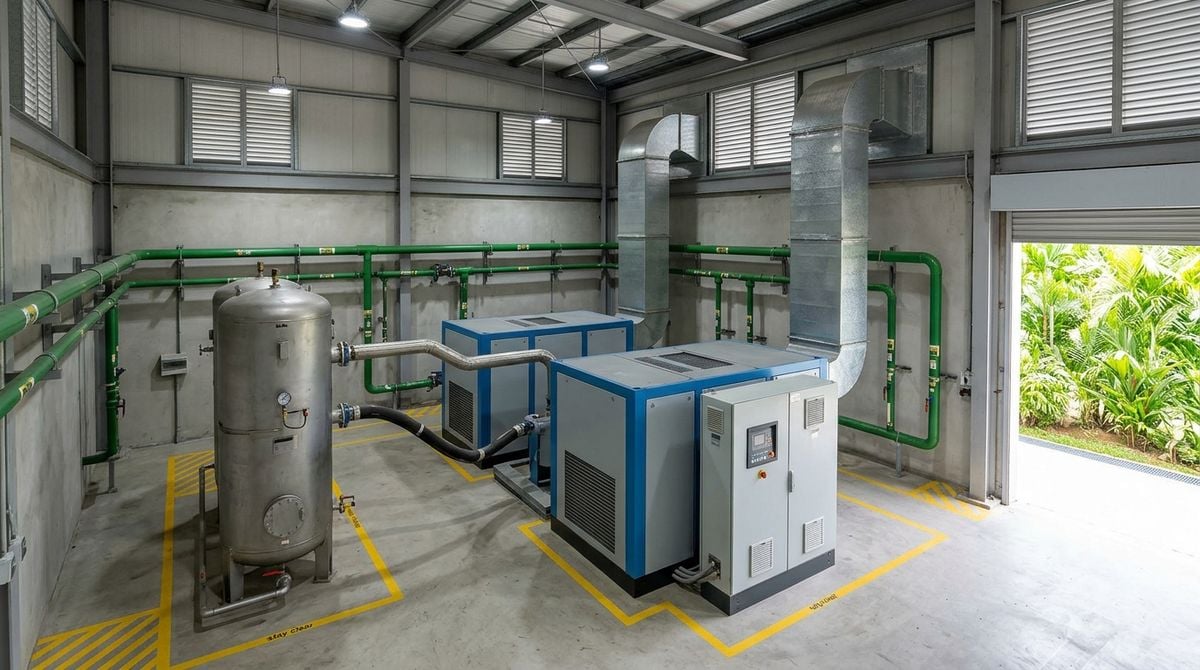
- Hospital-grade physical filtration units housed inside mechanical service rooms to capture microscopic airborne debris silently.
- Automated humidity regulation systems that preserve architectural millwork and prevent excessive dryness during winter months.
- Independent zone isolation dampers that prevent aromas and particulate matter from commercial kitchens, service bays, and laundry facilities from drifting into private quarters.
Quiet operation remains a paramount design consideration. Mechanical equipment should be housed within acoustically insulated service basements, with custom duct attenuators installed to ensure that the gentle movement of fresh air never disturbs the tranquil ambiance of the estate.
Harnessing Biophilic Design and Architectural Plant Life
While mechanical filtration provides the backbone of modern indoor environmental control, nature offers its own timeless purification mechanisms. Biophilic architecture deliberately weaves living vegetation, natural materials, and abundant sunlight into the interior fabric of a luxury residence, fostering a restorative sensory connection with the natural landscape.
Many estate designers find exceptional value in creating an architectural indoor atrium to serve as a green lung for the entire residence. By blending soaring glass skylights, living vertical gardens, and tranquil water installations, an enclosed botanical atrium facilitates gentle convective air movement while naturally modulating indoor humidity levels. As sunlight warms the glass canopy, air circulates gently through dense foliage, providing natural filtration and releasing revitalizing moisture into surrounding galleries.
When selecting botanical varieties for interior installations, designers should favor hearty, broad-leaf species that thrive in indirect light. Specimen weeping figs, structural snake plants, elegant peace lilies, and towering lady palms deliver rich visual texture while presenting vast leaf surface areas to capture airborne dust. Incorporating sub-irrigation planters ensures that soil moisture remains controlled, eliminating the standing water that could otherwise foster mold spores.
Establishing Daily Management Protocols for Household Staff
The finest ventilation systems and sustainable cleaning products only succeed when supported by disciplined operational routines. For an estate to function smoothly as a healthy sanctuary, household managers must incorporate clear, structured environmental protocols into the daily estate operations manual.
Service entrances and staff staging zones should feature multi-tier walk-off matting systems and dedicated indoor footwear rules. A substantial portion of outdoor contaminants, garden soil, and fine particulate matter enters homes on shoes. By intercepting these elements at back-of-house arrival points, custodians dramatically reduce the volume of debris that reaches formal entertainment salons and private bedchambers.
Culinary operations also demand disciplined air management. Private chefs should engage commercial-grade extraction hoods prior to igniting cooktops, maintaining active ventilation throughout meal preparation to evacuate cooking vapors, combustion particulates, and aerosolized oils. Laundry suites should similarly utilize unscented ecological detergents to prevent synthetic chemical fragrances from penetrating estate linens.
Transforming a luxury estate into a sustainable clean air sanctuary elevates high-end living into a truly restorative experience. When homeowners balance advanced mechanical filtration and biophilic design with mindful, non-toxic custodial care, they protect architectural integrity while safeguarding the daily comfort of everyone in the residence.