
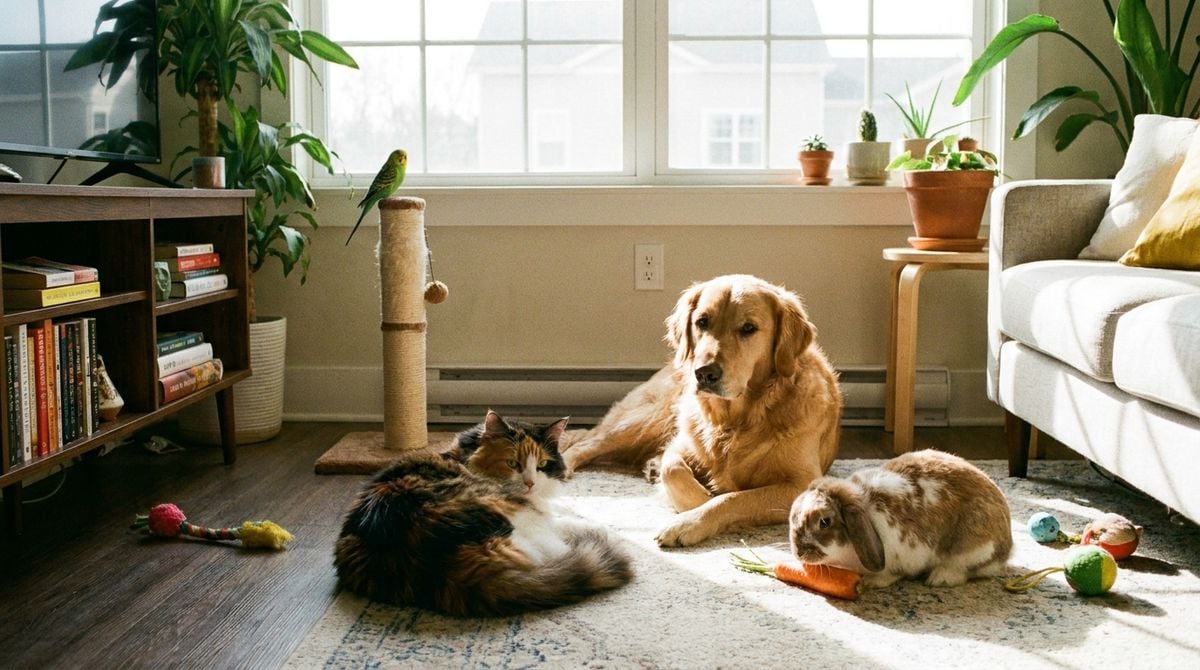
Living on a spacious private property offers pets an enviable lifestyle filled with room to run, quiet spaces to unwind, and dedicated daily attention. However, homeowners who frequently travel for business, seasonal holidays, or social engagements face unique logistical challenges. Balancing an active travel schedule with the well-being of dogs and cats requires thorough preparation, whether the animals travel alongside family members or stay behind under professional care.
A successful pet management plan bridges the gap between home comforts and travel demands. High-end property owners understand that consistency is the foundation of animal happiness. Disruptions in daily routines, unfamiliar caretakers, and sudden changes in diet can trigger anxiety in even the most adaptable companions. By developing structured procedures for caretakers, selecting dependable facilities, and maintaining high nutritional standards, owners can depart with complete peace of mind.
Preparing the Estate Environment for Departure
When leaving pets in the care of estate staff or residential sitters, establishing an organized baseline within the home is vital. Animals find security in predictable surroundings. Maintain their customary resting zones, access to favorite indoor rooms, and regular sleeping arrangements so the property retains its comforting familiarity even in the owner’s absence.
Physical safety across the property requires equal attention. Gate latches, perimeter fences, and electronic containment lines should be thoroughly inspected before any journey begins. Ground staff must be reminded of secure door practices, garage safety, and protocols for outdoor monitoring. When managing extensive acreage, it helps to review established exterior guidelines, such as recommendations for pet-safe grounds for luxury estates, ensuring that enclosed runs remain secure and that decorative vegetation along pathways presents no hazard to wandering companions.
Indoor zones should also undergo a practical audit. Secure high-value furnishings or fragile decorative pieces in rooms where animals spend unsupervised moments. Providing designated scratching posts, durable chew toys, and plush resting mats in primary living areas encourages calm behavior. Climate control systems should be scheduled to maintain steady, temperate indoor environments throughout day and night cycles, shielding pets from seasonal temperature shifts.
Choosing High-Touch Boarding and Active Boarding Alternatives
While in-home pet sitters work well for many households, certain travel circumstances call for specialized external accommodations. Extended overseas journeys, extensive home renovations, or major estate events may make off-site care the most practical and comfortable choice for household animals. Choosing the right facility requires evaluating not only the physical accommodations but also the enrichment philosophy of the team in charge.
Discerning pet owners prioritize facilities that provide private suites, soothing music, customized play schedules, and continuous observation. Beyond simple housing, top-tier boarding centers focus on mental enrichment, social opportunities with compatible playmates, and physical exercise tailored to an animal’s energy levels. A tired, mentally engaged dog is far less likely to experience separation distress while boarding away from home.
Planning enriching outings and structured care can turn an ordinary boarding stay into an engaging holiday for your companion. Resources like ThePitsky.com offer helpful inspiration for family pet boarding, fun activities, and community news, assisting owners in discovering active ways to keep their animals entertained and well cared for during times away from home.
Before committing to an extended reservation, consider scheduling a brief trial overnight stay. A short trial run allows caretakers to observe how an animal interacts with the facility staff, reacts to unfamiliar surroundings, and settles during quiet hours. It also gives owners an opportunity to evaluate cleanliness, staff attentiveness, and how closely the boarding team follows individualized instructions.
Maintaining Wholesome Nutrition and Calming Provisions
Dietary consistency is crucial during any travel period. Sudden changes in food brands, treat formulas, or water sources can easily upset a pet’s sensitive digestive system. When organizing supplies for house sitters or packing a travel bag for a pet friendly flight, prepare individual portions of everyday meals well in advance to prevent confusion or accidental overfeeding.
High-quality, natural ingredients contribute significantly to physical resilience and emotional well-being. Pet parents increasingly seek out clean, non-processed snacks, gentle herbal calming supplements, and sustainable accessories designed with animal comfort in mind. Exploring boutique curators like pet-select-shop.com makes it easier to source all-natural products, healthy treats, and thoughtfully made lifestyle goods from independent entrepreneurs dedicated to animal health.
In addition to regular food, pack a familiar comfort kit containing items that carry the reassuring scent of home. An unwashed blanket, a favorite plush toy, or an owner’s worn garment can ease situational tension during travel crate transit or in a private boarding kennel. Calming pheromone sprays and herbal diffusers can also be placed near sleeping spaces to foster a soothing, serene atmosphere.
Establishing Seamless Checklists for Household Caregivers
Effective communication prevents misunderstandings and safeguards animal well-being during extended absences. Estate managers, domestic staff, and private pet sitters require unambiguous guidance regarding daily care routines, behavioral quirks, and emergency measures. Rather than relying on verbal briefings that may be forgotten, compile clear written binders placed in central kitchen or utility areas.
A comprehensive caregiver binder ensures that every individual interacting with your pets follows the exact same standards. Key operational details should include:
- Primary veterinary contacts, local emergency clinic addresses, and transportation arrangements.
- Precise daily feeding times, pre-portioned meal sizes, and allowable treat limits.
- Approved walking routes across the grounds, exercise schedules, and recall cues.
- Location of emergency medical kits, travel harnesses, microchip details, and medical records.
- Emergency communication protocols and authorized decision limits for urgent medical choices.
Encourage staff to maintain a simple daily communication log. A brief evening message or digital photo update gives owners immediate reassurance while away. Noting daily appetite, bathroom habits, and general mood allows caregivers to identify minor issues before they develop into serious concerns.
Managing Return Protocols and Post-Travel Reacclimation
Returning home after a prolonged journey marks another transition period for companion animals. Whether reuniting with owners at the estate or arriving home from an active boarding retreat, pets often experience a temporary surge in excitement followed by deep physical fatigue. Allowing animals time to decompress at their own pace prevents sensory overload.
Begin the homecoming by walking dogs quietly around the grounds on a leash before turning them loose in larger yards. This gentle introduction allows them to investigate familiar outdoor scents, stretch their legs calmly, and re-establish their connection with the landscape. Avoid hosting large gatherings or welcoming numerous outside visitors during the initial days after returning.
Re-establish regular feeding hours and sleeping schedules without delay. Even if an animal appears slightly unsettled during the initial evening home, maintaining normal household rhythms signals that life has returned to its secure, predictable pattern. Consistent affection, familiar commands, and quiet companionship quickly ease any residual travel fatigue.
Long-term harmony between an active lifestyle and dedicated animal stewardship relies on thoughtful planning, reliable partners, and unwavering care routines. By pairing secure estate grounds with high-caliber boarding resources and clean nutritional choices, homeowners ensure that their companions thrive regardless of where the travel calendar leads.