
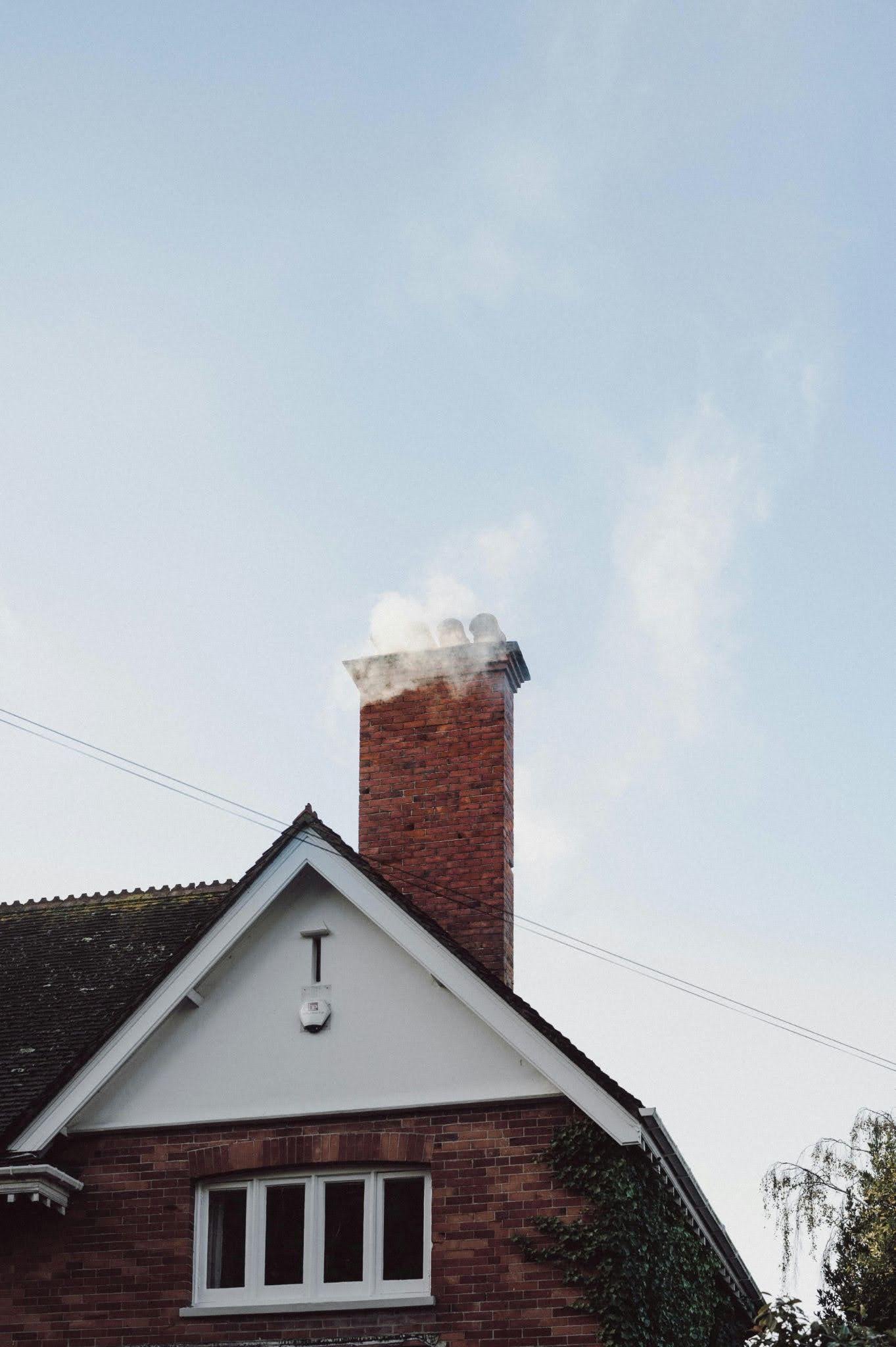
Summer is when many homeowners turn their attention to maintenance projects. Air conditioning systems receive tune ups, roofs are inspected after spring storms, and gutters are cleared before heavy rain arrives. These seasonal tasks are widely recognized as essential for protecting a home’s value and preventing expensive repairs.
Yet one critical part of the home is often left off the checklist entirely: the chimney.
Because fireplaces sit unused during the warmer months, many homeowners assume their chimneys are inactive until colder weather returns. In reality, a chimney continues to influence airflow, moisture movement, and the overall performance of a home throughout the year. Ignoring it during the summer can allow small issues to develop into much larger and more expensive problems by the time the heating season begins.
Homeowners Think About Cooling, Not Chimneys
As temperatures climb, most homeowners focus on keeping their homes comfortable while managing rising energy costs. They seal windows, service HVAC equipment, and look for ways to improve efficiency.
What often goes unnoticed is that a chimney remains part of the home’s overall ventilation system even when no fire is burning.
Warm air naturally rises through a home, creating pressure differences that influence how air enters and exits the building. This process, commonly known as the chimney effect, affects ventilation, indoor comfort, and moisture movement throughout every season.
When the chimney system is functioning properly, it helps support healthy airflow. When it is compromised by deterioration, blockages, or moisture damage, that natural balance can be disrupted.
Small Problems Rarely Stay Small
Unlike a broken furnace or a leaking pipe, chimney problems often develop quietly.
Tiny cracks in masonry can allow water to penetrate the structure. Moisture trapped inside bricks and mortar may expand over time, weakening the chimney from the inside out. Debris, nesting animals, or deteriorating components can interfere with proper airflow, while leftover creosote from previous burning seasons may produce unpleasant odors during hot, humid weather.
These issues may seem minor at first, but they often become significantly more expensive when left unaddressed.
Water intrusion can spread beyond the chimney itself, damaging nearby walls, ceilings, and roofing materials. Masonry repairs become more extensive as deterioration progresses. What begins as preventative maintenance can eventually require major structural restoration.
Waiting Until Fall Comes at a Cost
Many homeowners schedule chimney inspections only after the first cool temperatures arrive and they begin preparing fireplaces or heating systems for use.
Unfortunately, this is also when demand for chimney services increases dramatically.
As temperatures drop, inspection and repair schedules become much busier, making it harder to secure appointments before the heating season begins. Homeowners who discover significant problems during this period may have fewer scheduling options and less time to compare contractors or plan repairs.
More importantly, waiting until fall often means problems have had an entire summer to worsen.
Moisture intrusion, deteriorating mortar, and structural damage do not pause simply because a fireplace is not in use. These conditions continue developing throughout the warmer months, making early detection especially valuable.
Summer Creates the Best Opportunity for Prevention
The months when fireplaces are inactive also provide the best opportunity to evaluate the condition of the chimney.
Dry weather often makes inspections easier, while repair work can typically be completed without interrupting the use of heating appliances. Homeowners also have greater flexibility to schedule maintenance before the seasonal rush begins.
Companies such as Chimney Scientists, led by CEO Joe Ochal, encourage homeowners to view chimney inspections as part of routine home maintenance rather than a seasonal task performed only before winter. Addressing small concerns during the summer can help reduce repair costs, improve system performance, and prevent unexpected problems when temperatures begin to fall.
A Smarter Approach to Home Maintenance
Most homeowners understand the importance of maintaining roofs, heating systems, plumbing, and exterior drainage. Chimneys deserve the same level of attention because they interact with many of those systems.
A deteriorating chimney can contribute to water intrusion, affect indoor airflow, and create conditions that lead to more expensive repairs elsewhere in the home. Including chimney inspections alongside other seasonal maintenance projects creates a more complete approach to protecting the property.
Rather than reacting to emergencies, homeowners have an opportunity to identify developing issues while they are still manageable.
Looking Beyond the Fireplace
A chimney is much more than the visible structure extending above the roof. It is part of the home’s ventilation system, its weather protection, and its long term structural health.
Summer may seem like an unlikely time to think about a chimney, but it is often the season when preventative maintenance provides the greatest value. Identifying moisture damage, airflow problems, or early structural deterioration before colder weather arrives allows homeowners to make informed decisions, avoid unnecessary emergencies, and preserve one of the home’s most overlooked systems for years to come.