
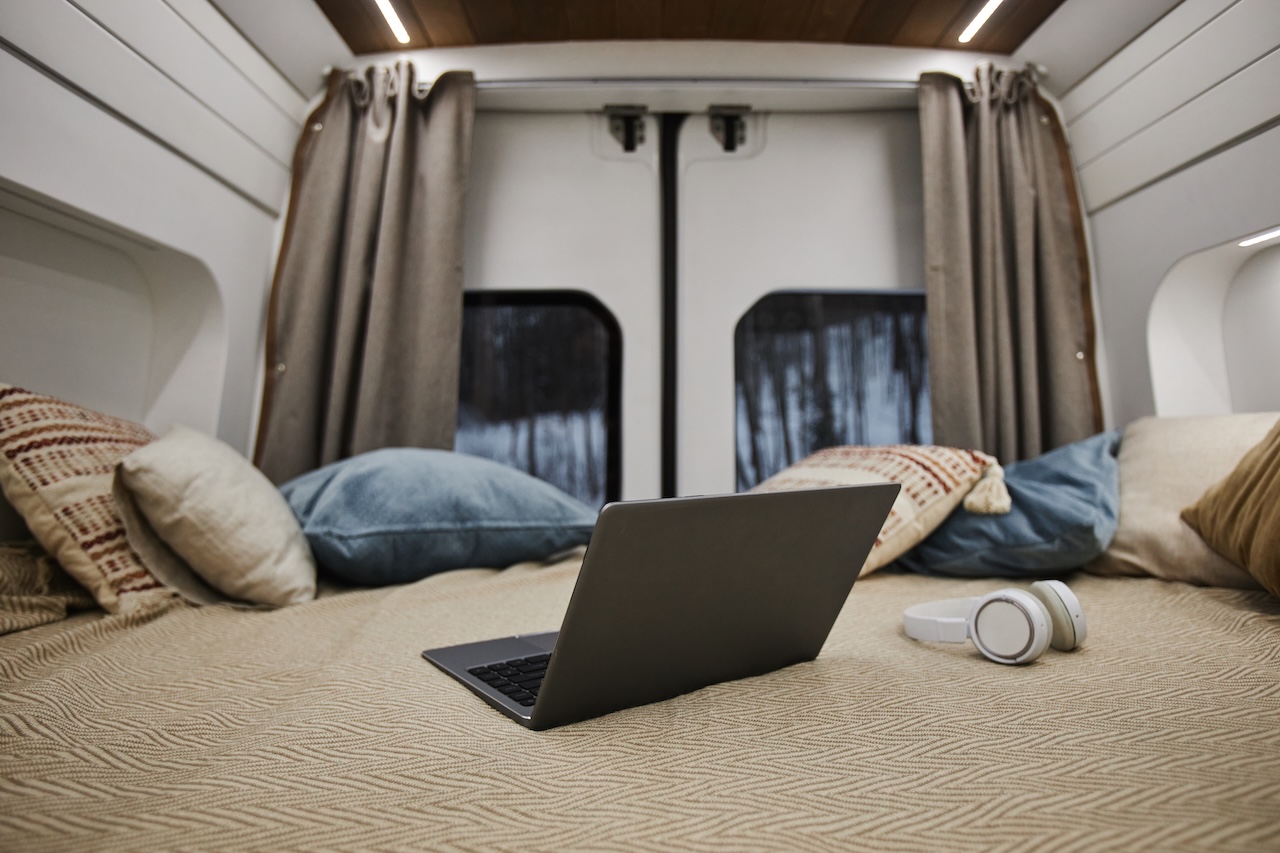
Every RV enthusiast knows the importance of a good night’s sleep after a day of adventures on the road. Having the right mattress in your RV isn’t just about comfort—it’s about creating a home away from home. Yet, RV mattresses often come in unconventional sizes and shapes, making the standard options unsuitable. This is where a custom RV mattress shines. To ensure a perfect fit, measuring your mattress space properly is crucial. Let’s dive into a precise, step-by-step guide to help you measure for a custom RV mattress.
Why You Need to Measure for a Custom RV Mattress
RV mattress spaces are not standardized like bed frames you find in traditional homes. Manufacturers design RV sleeping areas to maximize space, meaning your mattress might have to fit within irregular dimensions or angled corners. A poorly fitting mattress can lead to discomfort, wasted space, or challenges with installation. Measuring ensures your custom mattress offers the perfect blend of function and comfort.
Tools You’ll Need
Before jumping into the measuring process, gather these essential tools:
- Measuring tape: Preferably a flexible one to get precise measurements.
- Notebook and pen: To jot down the measurements and any unique details.
- Straight edge or ruler: Helpful for straight corners or angled layouts.
- Optional cardboard or poster board: Useful if you’re measuring an irregular shape and need a template for accuracy.
Step-by-Step Guide to Measuring Your RV Mattress Space
Step 1: Remove the Existing Mattress
If your RV already has a mattress, take it out. This allows you to accurately measure the base or platform without interference. Many factory-installed mattresses are undersized; focusing on the usable space ensures you design the mattress to fit properly.
Step 2: Measure the Width
The width is the measurement from one side of the mattress platform to the other, across the shorter dimension. Ensure you measure at the widest point if the platform is irregular. Record this measurement in inches.
Tip: Double-check that no sidewalls or other fixtures (such as cabinetry or raised ridges) intrude into this dimension, as they may affect the usable space for your mattress.
Step 3: Measure the Length
Length refers to the longer side of the mattress space, from the head to the foot. Like the width, measure at the longest point if there are irregularities. Also, review whether built-ins, corners, or surrounding structures could limit the full length.
Step 4: Account for Thickness
If you’re replacing an existing mattress, decide whether you prefer the new one to have the same thickness or a different profile. Measure the depth of the space or the height of surrounding features to avoid installing a mattress that’s too tall. Ensure there is enough clearance for areas like bunk beds or platforms with overhead cabinets.
Step 5: Check for Irregular Shapes
In RVs, mattress areas can have cut corners, rounded edges, or angled sides. If this applies, trace the shape of the platform onto cardboard or paper to create a template. This outline will be invaluable when placing a custom order with a mattress manufacturer.
Step 6: Consider Movement and Clearance
Don’t forget to allow clearance for items like drawer access, slide-outs, or walking space around the mattress. RVs can be compact, so ensure the new mattress doesn’t obstruct movement.
Final Thoughts
A well-fitted custom RV mattress not only optimizes comfort but also maximizes your RV’s living space. By following these measurement steps, you’re setting yourself up for restful nights on the open road. Remember, precise measurements are key—take your time to get it right. After all, adventures are much more enjoyable when they start with a great night’s sleep.