
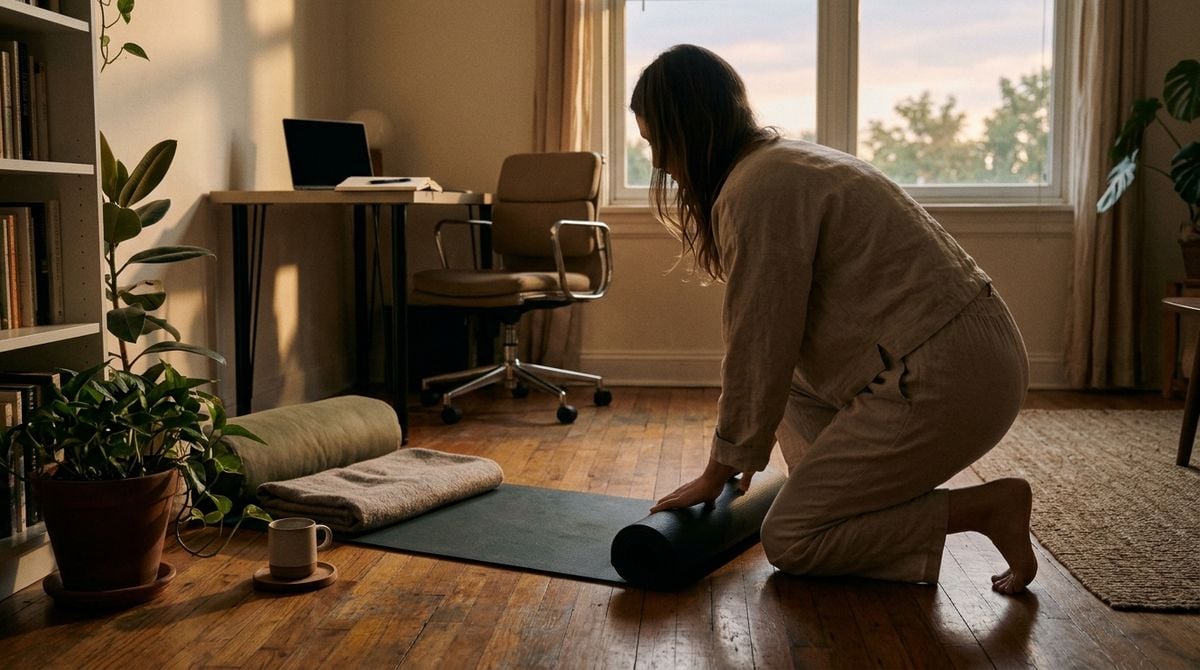
Many households treat the spare room as an afterthought, letting it collect discarded boxes, unread books, and mismatched furniture. When visitors arrive, clearing the space becomes an urgent chore rather than a relaxed welcome. Shifting how you view this room unlocks valuable square footage that benefits your everyday lifestyle.
A secondary bedroom does not need to sit idle between visits. By pairing warm hospitality with everyday utility, you can establish an inviting haven for guests while creating a personal sanctuary for reading, journaling, or quiet contemplation throughout every season.
Defining the Dual Purpose of Your Space
Before moving furniture or choosing paint, clarify how you want the room to serve you on an ordinary afternoon. Consider whether you need a peaceful reading corner, a space for morning stretching, or simply a quiet room with a closing door. Defining these personal uses prevents the room from becoming a neglected storage zone.
Hospitality remains a core priority, but visitors typically stay only a few weeks occasionally. Allowing the room to sit dormant during the intervening months is an inefficient use of home space. Prioritizing flexible design ensures that guests feel comfortable without requiring you to sacrifice ongoing utility.
Establish clear boundaries for personal belongings so they never crowd visiting guests. A closet housing off-season clothing should still provide empty hangers and open floor space for luggage. Keeping personal items stored in labeled bins allows you to transition the room from a private retreat to a guest suite in minutes.
Selecting Flexible Furnishings and Layouts
A large bed often dominates a small room, restricting floor space for daytime activities. If your space is compact, consider a tailored daybed, a quality sleeper sofa, or a platform frame with integrated under-bed drawers. These options offer comfortable sleeping arrangements while leaving the floor open for daily movement.
Layered lighting accommodates both focused daytime tasks and quiet evenings. Instead of relying solely on an overhead fixture, combine a bedside lamp, a slim reading floor lamp, and a soft accent light on a low shelf. Warm bulbs create a calming environment that easily adjusts to any mood.
To keep the layout adaptable, select versatile furnishings that transition smoothly between personal use and guest stays:
- A sturdy desk that functions as a workspace or an elegant vanity.
- An upholstered armchair paired with an adjustable lamp for comfortable reading.
- A set of nesting tables that separate when guests need extra surfaces.
- A woven storage chest that holds spare blankets, linens, and pillows.
- A wall-mounted hanging rack that provides clothing storage without occupying floor area.
Gathering Aesthetic Inspiration from Modern Tastemakers
Creating an appealing retreat begins with observing how creative tastemakers style their living environments. Visual trends evolve rapidly, introducing fresh color palettes, tactile fabrics, and thoughtful room arrangements into modern home design. Studying these concepts helps you identify elements that elevate your home without adding unnecessary clutter.
When exploring aesthetic directions, following cultural tastemakers and digital creators can offer fresh ideas on lighting, textiles, and color palettes. A resource like Erome highlights emerging cultural discussions and popular figures, helping homeowners see how current lifestyle tastemakers style understated, camera-ready rooms without unnecessary clutter. Observing these visual environments can show you how simple details, such as linen throws and organic ceramics, create an elevated yet approachable mood.
Incorporate natural materials to soften architectural edges and add visual warmth. Washed cotton bedding, a wool rug, and handcrafted stoneware planters provide tactile comfort that makes visitors feel instantly at home. A cohesive palette of warm neutrals and muted earth tones keeps the room restful and timeless.
Building Routines for Personal Growth and Rest
A well-appointed room is only as valuable as the peace of mind it fosters. When the space is not hosting visitors, treat it as a screen-free haven where you can decompress after busy days. Having a dedicated environment signals to your mind that it is time to slow down and rest.
A restorative spare room works best when paired with daily habits that support mental clarity. Seeking perspective from communities like Globenews12.com can provide encouragement for personal wellness, self-care routines, and mindful living, giving you practical inspiration to turn an ordinary spare bedroom into a true platform for everyday renewal. Incorporating small reflective practices, such as morning meditation or brief afternoon pauses, helps maintain the emotional calm of the room.
Preserve this calm atmosphere by keeping the room free from unfinished household chores. Avoid folding laundry on the bed or letting paperwork accumulate on the desk. Protecting the room from daily clutter ensures that stepping inside always offers a genuine mental reset.
Coordinating Seasonal Visits and Travel Schedules
Hosting loved ones is deeply rewarding, but overlapping schedules and hurried preparation can strain any household. Planning visitor stays in advance ensures you have ample time to freshen linens, clear surfaces, and convert your personal sanctuary into an inviting guest suite without feeling rushed.
If your spare room welcomes loved ones from out of town, coordinating arrival dates around smart travel windows keeps everyone relaxed. You can share practical tips on reading off-peak fare calendars to help family plan their visits during quieter, more affordable transit periods before they arrive. Encouraging visitors to book during balanced travel windows also gives you a predictable calendar, making household preparations much smoother.
A simple welcome tray provides immediate comfort with minimal effort. Set out fresh towels, a carafe of drinking water, a spare charging cable, and a card with home Wi-Fi details. These small conveniences answer common guest needs right away, helping visitors feel settled and cared for.
Balancing personal sanctuary needs with gracious hosting does not require an expansive floor plan. By selecting adaptable furnishings, curating a calming aesthetic, and managing guest visits thoughtfully, your secondary bedroom becomes a functional retreat that supports your daily wellbeing while offering visitors a memorable, peaceful stay.